Best Things to Do in Lisbon 2026 (Top Attractions, Tours & Must-See Experiences)
Updated for 2026 • Lisbon attractions • Historic neighbourhoods • Viewpoints • Food • Fado • Tours • Day trips
Lisbon is best experienced as a collection of neighbourhoods and experiences rather than a checklist of monuments. The city combines historic streets, tiled façades, viewpoints, riverfront landmarks, Portuguese food, Fado and easy access to nearby destinations.
The most useful planning decision is to identify the experiences you would most regret missing, reserve the attractions that need advance planning, and then leave enough time to walk, eat, pause at viewpoints and explore the city naturally.
For a first visit, a strong foundation is Belém, Alfama, the historic centre, Lisbon’s miradouros and one classic tram or cultural experience. If you have enough time, add Sintra or another day trip.
Lisbon Travel Guide → • Where to Stay in Lisbon → • Hotels in Lisbon → • 3-Day Lisbon Itinerary →
Compare Lisbon Tours & Attraction Tickets →
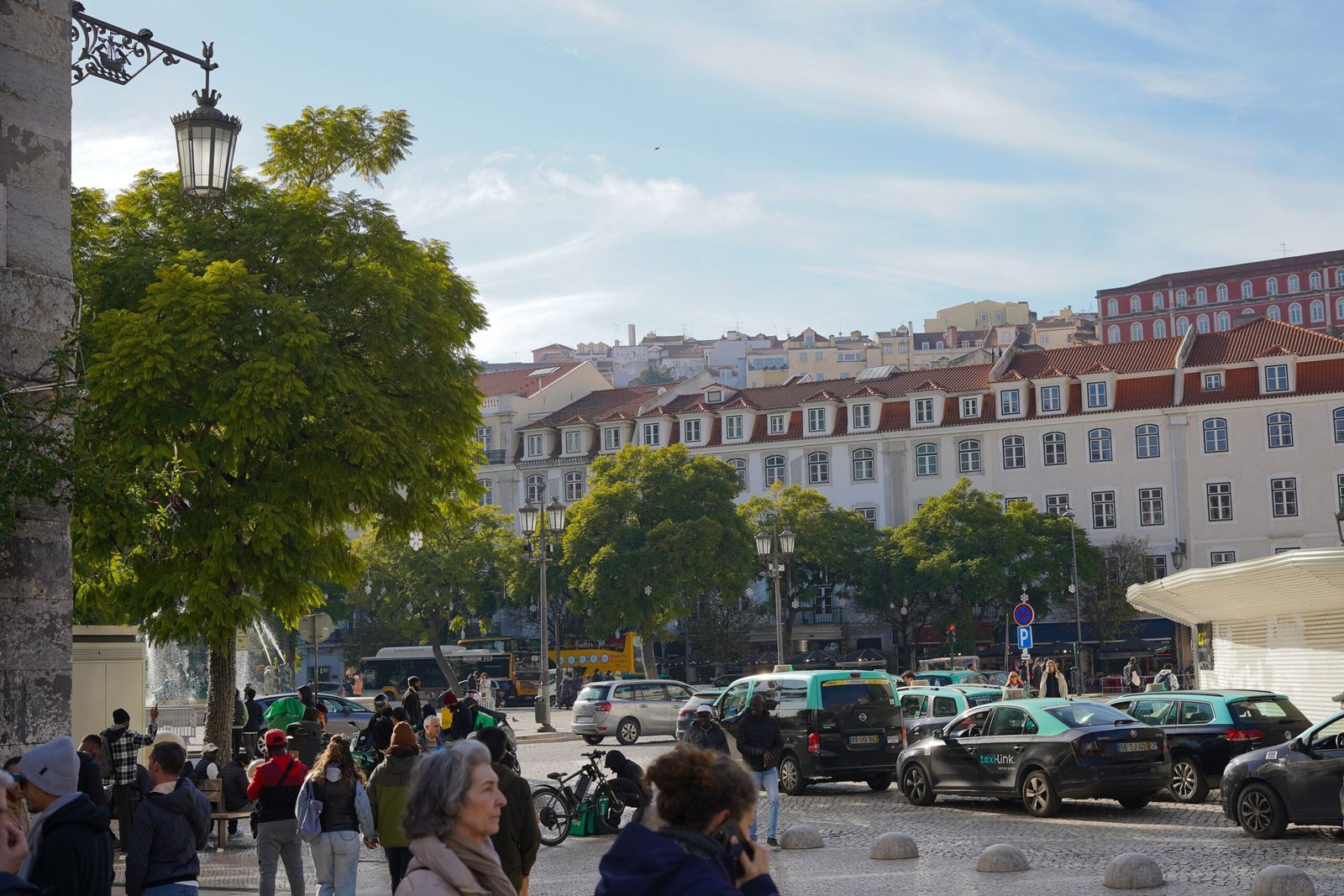
Compare Lisbon Attractions & Experiences Before You Travel
Popular attractions, guided tours and day trips can have date-specific availability. Compare the experience, date, duration, inclusions, meeting point and cancellation conditions before purchase.
Conversion-first planning: reserve the experiences that anchor your itinerary, then keep neighbourhood walks, food and viewpoints flexible.
Lisbon Travel Essentials
Hotels in Lisbon
Choose your Lisbon neighbourhood first, then compare current hotels by location, room type, dates and booking conditions.
Compare Lisbon Hotel Prices →
eSIM for Lisbon & Portugal
Stay connected for maps, tickets, reservations, transport and travel information.
Get a Portugal Travel eSIM →
Lisbon Tours & Attractions
Compare attraction tickets, guided tours, food experiences and day trips.
Explore Lisbon Tours & Experiences →
Lisbon Airport Transfers
Arrange airport transportation before arrival if you prefer a planned journey.
Compare Lisbon Airport Transfers →
Portugal Car Rental
A car is more useful for wider Portugal travel than for sightseeing in central Lisbon.
Compare Portugal Car Rentals →
Travel Insurance
Compare coverage before departure, especially when flights, hotels and tours are prepaid.
Compare Travel Insurance →
Flight Delay & Cancellation Claims
Check whether a disrupted flight may qualify for compensation under applicable rules.
Check Compensation Eligibility →
Quick Answer: What Are the Best Things to Do in Lisbon?
Best landmark area: Belém — combine Jerónimos Monastery, Belém Tower and the riverside area.
Best historic experience: Alfama — explore its lanes, viewpoints, cathedral area and access toward São Jorge Castle.
Best classic Lisbon experience: Tram 28 — experience the historic hills and neighbourhoods while treating the ride as part of the sightseeing.
Best views: Lisbon’s miradouros — especially viewpoints around Alfama and Graça.
Best cultural evening: Fado — a distinctive way to experience Lisbon after the daytime sightseeing ends.
Best day trip: Sintra — a strong choice when you have enough time for palaces, scenery and a change of pace.
WiseChoice planning rule: build around your highest-priority experiences first. Do not book every hour. Lisbon rewards a combination of fixed attractions and unstructured neighbourhood time.
Smart Lisbon Attraction Booking Strategy
1. Start with your must-see experiences. Decide whether architecture, history, food, viewpoints, neighbourhoods, Fado or day trips matter most.
2. Plan Belém as one sightseeing block. Jerónimos Monastery, Belém Tower and the riverside area fit naturally together.
3. Group the historic centre geographically. Baixa, Chiado, Alfama and nearby viewpoints can be combined, but allow extra time for hills and cobbled streets.
4. Protect flexible time. Do not fill every hour with tickets. Leave room for cafés, viewpoints, tiled streets, food and spontaneous exploration.
5. Compare guided and independent options. Tours can add context and simplify logistics; independent visits provide more flexibility.
Compare Lisbon Attraction & Tour Options →
1. Visit Belém Tower
Belém Tower is one of Lisbon’s defining riverside landmarks and fits naturally into a wider Belém sightseeing block.
Combine the tower with Jerónimos Monastery and the riverside area instead of crossing the city repeatedly.
Best for: first-time visitors, history lovers, architecture enthusiasts and photographers.
Compare Lisbon Experiences & Tickets →
2. Explore Jerónimos Monastery
Jerónimos Monastery is a major architectural and historical landmark in Belém.
Give it enough time to appreciate the building rather than treating it as a quick photo stop.
Best for: history, architecture and cultural travel.
Compare Lisbon Experiences & Tickets →
3. Walk Through Alfama
Alfama is one of Lisbon’s most distinctive historic neighbourhoods, with narrow lanes, viewpoints, traditional buildings and steep streets.
The neighbourhood works best when explored slowly rather than reduced to a list of individual stops.
Best for: history lovers, photographers, couples and travellers seeking traditional Lisbon atmosphere.
4. Visit São Jorge Castle
Set above the historic centre, São Jorge Castle combines history with elevated city views.
Pair it with Alfama and nearby miradouros to avoid unnecessary backtracking.
Best for: history lovers, photographers and first-time visitors.
Compare Lisbon Experiences & Tickets →
5. Ride Tram 28
The classic Tram 28 route is part of Lisbon’s character and offers a memorable way to experience historic hills and streets.
Treat the tram ride as an experience rather than assuming it will always be the fastest transport option.
Best for: first-time visitors, photographers and travellers seeking a classic Lisbon experience.
Compare Lisbon Experiences & Tickets →
6. Explore Lisbon’s Miradouros
Lisbon’s viewpoints are among the city’s defining pleasures.
Santa Luzia, Portas do Sol and viewpoints around Graça can be incorporated into neighbourhood walks.
Best for: photographers, couples, sunset seekers and relaxed sightseeing.
7. Walk Praça do Comércio
Praça do Comércio provides a broad riverfront setting and a useful starting point for exploring Baixa.
Combine it with Rua Augusta, the historic centre and the Tagus waterfront.
Best for: first-time orientation, photography and relaxed walking.
8. Explore Baixa
Baixa provides a central, relatively organised introduction to Lisbon’s historic core.
Use it for squares, streets, shops, cafés and access toward Chiado and the river.
Best for: first-time visitors, shopping, restaurants and easy central sightseeing.
9. Explore Chiado
Chiado combines culture, shopping, historic cafés, restaurants and central access.
It is particularly useful as a transition between Baixa, Bairro Alto and other central areas.
Best for: couples, food lovers, culture travellers and shoppers.
10. Experience Fado
Fado provides one of Lisbon’s most distinctive evening cultural experiences.
Choose an experience that matches your preferred atmosphere and check what is included before booking.
Best for: couples, culture travellers and first-time visitors.
Compare Lisbon Experiences & Tickets →
11. Taste Portuguese Food
Food is an essential part of Lisbon’s appeal, from seafood and traditional dishes to pastries and local drinks.
Build meals into the itinerary instead of treating food as something squeezed between attractions.
Best for: food lovers, couples and travellers seeking local experiences.
12. Try Pastéis de Nata
Portugal’s famous custard tart is an easy addition to almost any Lisbon itinerary.
Use pastry stops as flexible breaks between sightseeing blocks.
Best for: all travellers, particularly food-focused trips.
13. Walk the Tagus Waterfront
The riverfront provides a useful change of pace after dense historic sightseeing.
Combine it with Praça do Comércio or Belém depending on your route.
Best for: couples, photographers and relaxed afternoons.
14. Visit LX Factory
LX Factory provides a different side of Lisbon with creative spaces, food, shops and industrial character.
It works well when you want a break from the traditional historic-centre itinerary.
Best for: repeat visitors, food lovers, design travellers and independent explorers.
15. Explore Bairro Alto
Bairro Alto is one of Lisbon’s main evening districts, with bars, restaurants and nightlife.
Combine it with Chiado when you want a central evening without planning a separate transport journey.
Best for: nightlife travellers, couples and groups.
16. Explore Príncipe Real
Príncipe Real offers gardens, independent shops, cafés and a more relaxed central atmosphere.
Use it as a neighbourhood experience rather than a checklist of attractions.
Best for: couples, boutique travellers and repeat visitors.
17. Visit Lisbon Museums
Museums can add depth to a trip focused on architecture and outdoor sightseeing.
They are also useful alternatives when the weather makes extended walking less attractive.
Best for: culture travellers, families and repeat visitors.
18. Explore Graça
Graça combines neighbourhood atmosphere, viewpoints and a different perspective on Lisbon’s hills.
It can be paired with nearby miradouros and a slower walking itinerary.
Best for: photographers, repeat visitors and travellers who enjoy neighbourhood exploration.
19. Visit the National Tile Museum
Lisbon’s tile tradition is an important part of the city’s visual identity.
A museum visit can provide context for the tiled façades encountered throughout the city.
Best for: architecture, design and culture travellers.
20. Take a Sintra Day Trip
Sintra provides a major change of scenery with palaces, gardens, hills and cultural attractions.
Consider it when you have enough time to spend a substantial part of the day outside Lisbon.
Best for: first-time visitors with longer stays, couples, families and photographers.
Compare Lisbon Experiences & Tickets →
Best Lisbon Experiences by Traveller Type
First-Time Visitors
Belém, Alfama, São Jorge Castle, the historic centre, viewpoints and one classic cultural experience.
Couples
Chiado, viewpoints, Fado, food experiences, riverfront walks and a carefully chosen day trip.
Families
Belém, selected museums, waterfront time, manageable neighbourhood walks and flexible meal breaks.
Food Lovers
Portuguese food, pastéis de nata, markets, guided food experiences and relaxed neighbourhood dining.
History Lovers
Alfama, São Jorge Castle, Belém, Jerónimos Monastery and Lisbon’s historic centre.
Architecture Lovers
Jerónimos Monastery, Belém Tower, tiled façades, historic squares and Lisbon’s distinctive streets.
Nightlife Travellers
Bairro Alto, Chiado, Cais do Sodré and Fado experiences.
Photographers
Miradouros, Alfama, Belém, Praça do Comércio and the Tagus waterfront.
Repeat Visitors
LX Factory, Príncipe Real, museums, Graça, food experiences and regional day trips.
Budget Travellers
Neighbourhood walks, viewpoints, public spaces, food markets and carefully selected paid attractions.
How to Group Lisbon Attractions by Location
Jerónimos Monastery • Belém Tower • riverside walking • nearby cultural attractions
Baixa • Praça do Comércio • Rua Augusta • Chiado • selected viewpoints
Alfama • São Jorge Castle • Santa Luzia • Portas do Sol • nearby viewpoints
Chiado • cafés • shopping • restaurants • evening entertainment
Graça • miradouros • neighbourhood walking • photography
LX Factory • museums • Príncipe Real • food experiences
Book the Fixed Experiences First
If an attraction, guided tour or day trip is central to your itinerary, establish its date and time first. Then build flexible neighbourhood, food and viewpoint time around it.
Lisbon in One Day
With only one day, avoid trying to cover the entire city. Choose one historic block, one major landmark area and one flexible evening experience.
Suggested rhythm: Baixa or Belém anchor → lunch → historic neighbourhood or viewpoint → evening food or Fado.
Lisbon in Two Days
Two days allow a stronger combination of Belém, the historic centre, Alfama and viewpoints. Keep one evening flexible for food or Fado.
Lisbon in Three Days
Three days provides a useful first-time structure without requiring every hour to be pre-booked.
Baixa • Praça do Comércio • Chiado • viewpoints • evening in the central districts
Belém • Jerónimos Monastery • Belém Tower • riverside time • dinner
Alfama • São Jorge Castle • viewpoints • food or Fado • flexible evening
Lisbon in Four to Five Days
A longer stay makes it easier to add Sintra, museums, LX Factory, Príncipe Real, additional food experiences and slower neighbourhood exploration.
Do not use the extra days simply to add more timed attractions. Use them to experience Lisbon at a slower pace.
Best Free Things to Do in Lisbon
• Walk through Alfama.
• Explore Baixa and Praça do Comércio.
• Walk around Chiado.
• Visit public viewpoints and miradouros.
• Walk along the Tagus waterfront.
• Explore Graça and its streets.
• Admire Lisbon’s tiled façades and historic architecture.
• Use neighbourhood walks to balance the cost of paid attractions.
Lisbon on a Hot Day
• Start outdoor sightseeing earlier when practical.
• Use museums and indoor attractions during the hottest period.
• Build longer food and café breaks into the day.
• Move viewpoint and waterfront time later when conditions are more comfortable.
• Carry water and wear suitable footwear.
Lisbon on a Rainy Day
• Move museums and indoor attractions into the fixed part of the day.
• Use food experiences and longer meals as flexible shelter from poor weather.
• Keep outdoor viewpoints and long neighbourhood walks movable.
• Check current opening arrangements before leaving.
Lisbon Walking Strategy
Lisbon is highly walkable in many central areas, but the city’s hills and cobbled streets can make apparently short distances more demanding than they look on a map.
• Group nearby attractions.
• Allow additional time for uphill routes.
• Wear comfortable footwear.
• Use public transport when a route is unnecessarily steep or long.
• Do not schedule several demanding walks back-to-back.
Should You Rent a Car in Lisbon?
For central Lisbon sightseeing, walking and public transport are generally more practical than relying on a rental car. A car becomes more useful when Lisbon is part of a wider Portugal itinerary.
Compare Portugal Car Rental Options →
Do You Need to Book Lisbon Attractions in Advance?
For popular attractions and fixed-date experiences, advance planning is sensible when your travel dates are fixed. Check the current entry arrangements, time slots, ticket type and cancellation conditions before purchase.
Compare Lisbon Attraction & Tour Options →
Where to Stay for Lisbon Sightseeing
Your hotel location can change how efficiently you experience Lisbon. Choose the area based on the attractions that dominate your itinerary, then compare hotels within that area.
A practical central base for first-time sightseeing and easy access to the historic centre.
A strong choice for central access combined with restaurants, shopping, culture and evening atmosphere.
Useful for historic character and viewpoints, but consider the hills and cobbled streets.
Useful for travellers who prefer upscale hotels, a broad avenue and strong transport access.
Useful for nightlife, with noise considerations for travellers who prefer quiet nights.
Compare the Best Areas to Stay in Lisbon →
Lisbon Food Experiences Worth Building Into the Trip
Use pastry stops as flexible breaks between sightseeing blocks.
Try different preparations of Portugal’s famous salt cod.
Lisbon’s Atlantic setting makes seafood a natural part of the food itinerary.
A simple Portuguese sandwich that works well for an informal meal.
Useful when you want local context and multiple tastings in one experience.
Markets can combine food, atmosphere and neighbourhood exploration.
Compare Lisbon Food Experiences →
Best Lisbon Experiences by Season
Excellent for walking, viewpoints, neighbourhoods and day trips. Keep flexible time for changing weather.
Long days make sightseeing and waterfront time attractive, but plan demanding outdoor walks around the heat.
A strong period for city exploration, food, culture and day trips when conditions are suitable.
Useful for museums, food, historic districts and a quieter sightseeing rhythm; verify current opening arrangements.
Common Lisbon Sightseeing Mistakes
1. Trying to see Belém, Alfama and distant viewpoints in one rushed block.
2. Underestimating Lisbon’s hills and cobbled streets.
3. Leaving popular attractions until the last available day.
4. Booking experiences without checking the exact date and time.
5. Using a car for central sightseeing when walking and public transport are more practical.
6. Focusing only on monuments and missing food, viewpoints, Fado and neighbourhood atmosphere.
7. Filling every hour with pre-booked activities.
8. Choosing accommodation far from your sightseeing priorities solely for a lower room rate.
9. Assuming old ticket prices, opening times or transport information are still current.
10. Treating Lisbon as a checklist instead of leaving time to explore.
Compare Lisbon Hotels Before You Finalise Your Itinerary →
How to Choose Between Guided and Independent Sightseeing
Guided tours can add historical context, organised logistics and a clearer structure to a busy day.
Independent sightseeing provides more flexibility and allows you to slow down in neighbourhoods that interest you.
Choose according to whether context and convenience or flexibility and control matter more to your trip.
How to Choose a Lisbon Day Trip
Consider the total travel time, the amount of time remaining in Lisbon and what the excursion adds to your trip.
Sintra is particularly useful when palaces, scenery and cultural history are priorities.
Avoid adding a day trip simply because the itinerary has an empty day.
How to Plan a Lisbon Evening
Do not make every evening dependent on a fixed reservation.
Fado, Bairro Alto, Chiado restaurants and riverside walks can all work as evening experiences.
Leave some flexibility so the evening can reflect how the day actually went.
How to Balance Paid and Free Experiences
Major attractions can add up quickly, so combine paid landmarks with free neighbourhood walks and viewpoints.
Choose paid experiences that genuinely add something you cannot get from simply walking around the city.
Use flexible free time to keep the overall trip balanced.
How to Make Lisbon More Relaxed
Book fewer fixed appointments and group attractions by area.
Protect meal breaks, viewpoint time and neighbourhood exploration.
A slower itinerary can produce a stronger city experience than a longer checklist.
How to Make Lisbon More Efficient
Reserve the experiences that anchor the itinerary first.
Group nearby attractions and account for hills and walking time.
Choose accommodation that reduces unnecessary daily transport.
Lisbon for Older Travellers
Walking distances and steep streets can matter more than map distance.
Choose accommodation with practical transport access and plan fewer major sites per day.
Leave extra time between fixed attractions.
Lisbon for Families
Families often benefit from alternating structured sightseeing with open-ended experiences.
Belém, the waterfront, selected museums and manageable neighbourhood walks can provide variety.
Avoid stacking several timed attractions without breaks.
Lisbon for Couples
Couples can combine viewpoints, Chiado, food, Fado and riverside walks.
Choose one or two major attractions each day and protect time for meals and atmosphere.
The best itinerary is often less crowded with fixed appointments.
Lisbon for Solo Travellers
Solo travellers can combine self-guided neighbourhood exploration with selected group tours or food experiences.
This provides both flexibility and opportunities for social interaction.
Choose accommodation with convenient transport for evenings.
Lisbon for Photography
Miradouros, Alfama, Belém and the Tagus waterfront provide different photographic environments.
Light and crowd levels change, so flexible timing is useful.
Do not build the entire itinerary around one expected photograph.
Lisbon for Food Lovers
Food can be one of the main organising principles of the trip.
Combine markets, pastries, seafood, traditional dishes and guided food experiences with neighbourhood exploration.
Leave enough time to enjoy meals rather than squeezing them between attractions.
The 5-Minute Lisbon Experience Plan
Step 1: Choose the three experiences you would most regret missing.
Step 2: Reserve the attractions or tours that need a fixed date or time.
Step 3: Group them geographically so you are not repeatedly crossing the city.
Step 4: Add flexible food, viewpoints and neighbourhood time.
Step 5: Confirm your hotel location supports the finished itinerary.
Lisbon Hotel Location Can Improve the Sightseeing Experience
The right hotel does more than provide a bed. A convenient base can reduce unnecessary transport, make evening plans easier and give you more time for the experiences that brought you to Lisbon.
Choose the neighbourhood first, then compare the current hotel options that fit your dates, room requirements and cancellation preferences.
Frequently Asked Questions About Things to Do in Lisbon
What are the best things to do in Lisbon?
For a first visit, prioritise Belém, Alfama, São Jorge Castle, the historic centre and viewpoints. Add Tram 28, a food or Fado experience and a day trip if time allows.
How many days do you need in Lisbon?
Three days provides a useful starting point for the main neighbourhoods and landmarks. Four or five days gives more time for food, viewpoints and a day trip such as Sintra.
What should I book first in Lisbon?
Start with attractions and experiences that anchor your itinerary, particularly those with specific entry arrangements. Then build flexible activities around those fixed points.
Is Belém worth visiting?
Belém brings several major landmarks together, including Jerónimos Monastery and Belém Tower, along with the riverside setting and other cultural attractions.
Is Alfama worth visiting?
Yes. Alfama is one of Lisbon’s most distinctive areas, particularly for travellers who enjoy historic streets, viewpoints, traditional atmosphere and walking.
Is Tram 28 worth doing?
It can be, particularly if you want a classic Lisbon experience. Treat it as part of the sightseeing experience rather than assuming it is always the fastest transport.
What can you do in Lisbon besides monuments?
Explore neighbourhoods, visit miradouros, experience Fado, sample Portuguese food, walk the Tagus waterfront and take guided food or cultural tours.
Should you take a day trip from Lisbon?
If you have four or more days, a day trip can add variety. Sintra is a strong choice for palaces and scenery, while Cascais and other destinations suit different interests.
What is the best area to stay for sightseeing in Lisbon?
Baixa and Chiado are strong choices for central access. Alfama suits historic atmosphere, while Avenida da Liberdade offers a different balance of hotels, space and transport.
Is Lisbon walkable?
Central Lisbon is very walkable, but the city’s hills and cobbled streets can make some routes more demanding. Allow extra time and wear comfortable footwear.
What should I do in Lisbon when it rains?
Use museums, indoor attractions, food experiences and longer meals as anchors, while keeping outdoor viewpoints and long neighbourhood walks flexible.
What should I do in Lisbon when it is very hot?
Start outdoor sightseeing earlier, use indoor attractions during the hottest period, stay hydrated and move waterfront or viewpoint time later when practical.
Should I rent a car in Lisbon?
For central sightseeing, walking and public transport are generally more practical. A car becomes more useful when Lisbon is part of a wider Portugal road trip.
Is Fado worth experiencing?
Fado provides a distinctive Lisbon evening experience and can add cultural depth to a trip focused heavily on daytime sightseeing.
How do I avoid wasting time in Lisbon?
Group attractions by location, reserve fixed experiences first, allow buffer for hills and transport, and avoid crossing the city repeatedly for isolated stops.
How do I choose between a tour and independent sightseeing?
Use a tour when context, organised logistics or local expertise adds value. Choose independent sightseeing when flexibility and slower neighbourhood exploration matter more.
Where should I stay for a first Lisbon visit?
Baixa is a practical central base, while Chiado can suit travellers who want a stronger mix of restaurants, culture, shopping and atmosphere.
How much free time should I leave in Lisbon?
Enough to walk neighbourhoods, stop at viewpoints, enjoy meals and adapt to weather or energy. A fully scheduled Lisbon itinerary can become unnecessarily rigid.
Our Lisbon Sightseeing Recommendation
Best first-time strategy: build your trip around Belém, Alfama, the historic centre and the city’s viewpoints. These provide a strong foundation without requiring every hour to be booked.
Then add Tram 28, a food or Fado experience and unstructured walking time. If you have four or five days, add Sintra or another day trip rather than overloading every city day.
Lisbon Morning Strategy
Put your highest-priority fixed attraction into the morning when practical.
Morning sightseeing can leave the afternoon flexible for neighbourhoods, food and viewpoints.
Avoid assuming every attraction will be quiet simply because it is early; check current visitor arrangements.
Lisbon Afternoon Strategy
Use the middle of the day for food, museums, shopping or nearby neighbourhood exploration.
This can reduce the pressure of moving between multiple distant attractions.
Keep enough time to reach the next fixed appointment without rushing.
Lisbon Evening Strategy
Evenings are a useful time for Fado, dinner, Chiado, Bairro Alto or riverside walks.
Choose the experience that fits the pace of the day rather than adding another major attraction.
Leave some flexibility for meals and spontaneous exploration.
Lisbon and the Tagus
The Tagus waterfront provides a different perspective from the dense historic streets.
Praça do Comércio and Belém can both be integrated into waterfront-focused plans.
Sunset and weather conditions can affect the experience, so keep timing adaptable.
Lisbon Viewpoint Planning
Miradouros are best treated as part of neighbourhood routes rather than isolated destinations.
Combine viewpoints with Alfama, Graça or other nearby streets.
Allow for steep routes and time to pause.
Lisbon Cultural Planning
Lisbon’s museums, architecture, Fado and food provide cultural experiences beyond major landmarks.
Choose a small number that match your interests rather than trying to cover every cultural venue.
Balance indoor experiences with outdoor neighbourhood time.
Lisbon with Limited Time
When time is short, choose one major area per half-day rather than trying to cross the city repeatedly.
Belém, the historic centre and Alfama can each anchor a focused sightseeing block.
Protect the experiences that matter most to you.
Lisbon with Extra Time
Longer stays allow a slower rhythm and make day trips more practical.
Use additional days for Sintra, Cascais, museums, food and neighbourhood exploration.
Do not feel obligated to fill every day with major attractions.
Lisbon for a First Trip
A first visit benefits from a mix of landmark architecture, historic neighbourhoods, viewpoints and food.
Belém and Alfama provide contrasting sides of the city.
Add a cultural evening experience to broaden the itinerary.
Lisbon for a Return Trip
Repeat visitors can spend more time in less central neighbourhoods, museums, food and day trips.
LX Factory, Príncipe Real and Graça can provide a different perspective.
A slower itinerary can reveal more than another checklist of major monuments.
Lisbon Attraction Budgeting
Set an approximate attractions budget before buying multiple tickets.
Use free walks and viewpoints to balance paid admissions.
Compare current ticket options and what each package actually includes.
Lisbon Tour Checklist
Confirm the date, duration, meeting point, inclusions and cancellation terms before booking.
Check whether transport is included where relevant.
Do not assume similarly named experiences offer the same itinerary.
Lisbon Day Trip Checklist
Confirm departure time, duration, return time and what is included.
Leave enough time to recover from the excursion before another fixed evening commitment.
Choose a day trip because it adds something you want to experience.
Lisbon Hotel Location Checklist
Check the exact street, nearby transport, walking conditions and distance to your main sightseeing areas.
Neighbourhood names alone do not tell you how convenient a specific property will be.
Compare current hotels after deciding which area fits your itinerary.
Lisbon Arrival Planning
Keep the first day flexible if you arrive after a long journey.
Airport transfer, hotel check-in and orientation can take more time than expected.
Use the first evening for an easy meal or nearby walk rather than a major fixed attraction.
Lisbon Footwear and Walking
Comfortable footwear matters because cobbled streets and hills can make long walking days demanding.
Plan breaks and use transport strategically.
A hotel location that reduces unnecessary walking can be valuable on short trips.
Lisbon Photography Rhythm
Morning light, late-afternoon light and evening viewpoints can create very different experiences.
Keep photography stops flexible rather than building every day around them.
Crowds and weather can change quickly.
Lisbon Food Timing
Popular food experiences may require reservations, while casual meals can remain flexible.
Build a realistic lunch period into sightseeing days.
Do not treat meals as lost time; they are part of the destination experience.
Lisbon Nightlife Planning
Bairro Alto and other central evening areas can be combined with Chiado and nearby restaurants.
Consider the return journey when selecting evening accommodation.
Travellers who prefer quiet nights may want to stay outside the busiest nightlife streets.
Lisbon Family Rhythm
Alternate major attractions with open-ended activities and food breaks.
Waterfront areas and selected museums can provide useful variety.
Avoid several demanding uphill walks in one day.
Lisbon Couple Rhythm
Combine one major attraction with food, viewpoints and an atmospheric neighbourhood.
Leave space for an unplanned café or evening walk.
A slower pace can make a short city break feel less rushed.
Lisbon Solo Rhythm
Combine self-guided exploration with one or two organised experiences if you want additional context or company.
Choose a hotel with convenient transport for evening returns.
Keep the itinerary flexible enough to change plans.
Lisbon Rain Backup
Identify two or three indoor alternatives before each day begins.
Museums, food experiences and indoor attractions can replace long outdoor walks.
Keep outdoor plans movable rather than cancelling the entire day.
Lisbon Heat Backup
Identify shaded or indoor options for the hottest part of the day.
Move demanding uphill walks to cooler periods when practical.
Stay hydrated and allow longer breaks.
Lisbon Final Comparison
Before buying a ticket, compare the experience, timing, inclusions and cancellation conditions.
Before booking a hotel, compare the area, exact location, room, dates and final rate.
Before finalising the itinerary, make sure the fixed appointments leave enough flexible time.
Lisbon Sightseeing: What to Book First
1. Protect Your Must-See Landmark
If Belém, Jerónimos Monastery, São Jorge Castle or another major attraction is central to your trip, establish the timing before filling the rest of the day.
This creates a fixed anchor without forcing the entire itinerary into a rigid timetable.
2. Protect Your Preferred Experience
A Fado evening, food tour or day trip can be as important to your trip as a monument. Treat it as an itinerary priority if it is one of the reasons you chose Lisbon.
Compare the available experience for your date before assuming you can arrange it at the last minute.
3. Keep the Rest Flexible
Neighbourhood walks, cafés, viewpoints, shopping and casual meals can usually remain flexible.
This gives the itinerary room to respond to weather, crowds, energy and unexpected discoveries.
Ready to compare the fixed experiences?
Check current Lisbon attraction and tour options for your travel dates.
Lisbon Attraction Planning by Trip Length
One-Day Lisbon Priority
Choose one major sightseeing area, one historic neighbourhood and one flexible evening experience.
Trying to fit Belém, Alfama, multiple viewpoints and a distant day trip into one day creates unnecessary travel and leaves little time to enjoy Lisbon itself.
Two-Day Lisbon Priority
Use one day for the central historic districts and another for Belém or a second major sightseeing area.
Keep at least one evening flexible for food, Fado or neighbourhood exploration.
Three-Day Lisbon Priority
Three days allow you to combine the historic centre, Belém, Alfama, viewpoints and a cultural or food experience without rushing every stop.
Use the third day to slow down rather than simply add more monuments.
Four- to Five-Day Lisbon Priority
With four or five days, consider Sintra, Cascais, museums, LX Factory, Príncipe Real and additional food or cultural experiences.
A longer stay should increase flexibility rather than the number of fixed appointments.
Lisbon Experience Booking Checklist
Before buying an attraction ticket:
• Confirm the exact attraction and date.
• Confirm the entry time or time window.
• Check what the ticket includes.
• Check cancellation or amendment conditions.
• Keep the confirmation accessible on the day.
Before booking a tour:
• Confirm the meeting point.
• Check the duration.
• Check transport inclusions.
• Check the cancellation conditions.
• Make sure the experience fits your wider itinerary.
Lisbon Hotel and Sightseeing Connection
Your accommodation is part of the sightseeing strategy. A central hotel can reduce repeated transport and make it easier to return for a break before an evening experience.
For first-time visitors, compare Baixa and Chiado first if central access is your main priority. Consider Alfama when historic atmosphere matters more and the hills are acceptable.
Once you know the area, compare actual hotels for your dates rather than selecting a property solely from a generic city list.
Why You Can Trust This Guide
WiseChoiceCompare focuses on practical travel value rather than simply producing a long list of attractions. This guide prioritises sightseeing relevance, location, walking effort, booking strategy and itinerary efficiency.
Attraction conditions, ticket requirements, opening arrangements, transport schedules, prices and availability can change. Check current details for your exact travel dates before completing a booking.
Continue Planning Your Lisbon Trip
Lisbon Public Transport Guide →
Ready to Plan Your Lisbon Sightseeing?
Choose your must-see experiences first, reserve the fixed attractions, then build the rest of the trip around neighbourhoods, food, viewpoints and time to explore.
Lisbon Travel Essentials
Hotels in Lisbon
Compare current hotel prices, room options and booking conditions.
Compare Lisbon Hotel Prices →
eSIM for Portugal
Stay connected for maps, tickets, transport and reservations.
Get a Portugal Travel eSIM →
Lisbon Tours & Attractions
Compare tickets, guided tours, food experiences and day trips.
Explore Lisbon Experiences →
Lisbon Airport Transfers
Arrange transport before arrival.
Compare Lisbon Airport Transfers →
Portugal Car Rental
Useful for wider Portugal travel beyond central Lisbon.
Compare Portugal Car Rentals →
Travel Insurance
Compare coverage before departure.
Compare Travel Insurance →
Flight Compensation
Check potential eligibility after qualifying disruptions.
Check Compensation Eligibility →
Some links on this page are affiliate links. If you book or purchase through an affiliate link, WiseChoiceCompare may earn a commission at no additional cost to you.
Recommendations are based on practical traveller considerations including destination relevance, location, convenience, experience and overall value. Prices, availability, schedules, admission requirements and booking conditions can change, so verify current details before purchase.