Driving in Europe (Complete Guide for Tourists in 2026)
Updated for 2026 • European Driving Rules • Speed Limits • Road Signs • Tolls & Safety
Driving in Europe is one of the best ways to explore the continent, but every country has its own road rules, speed limits and driving regulations.
Whether you're planning a road trip through France, driving along Italy's Amalfi Coast, exploring Iceland's Ring Road or touring the mountains of Switzerland and Austria, understanding local driving laws before you set off will help you stay safe, avoid fines and enjoy a smoother journey.
Fortunately, most European countries have modern road networks, clear road signs and well-maintained highways. With a little preparation, driving across Europe is straightforward for most international visitors.
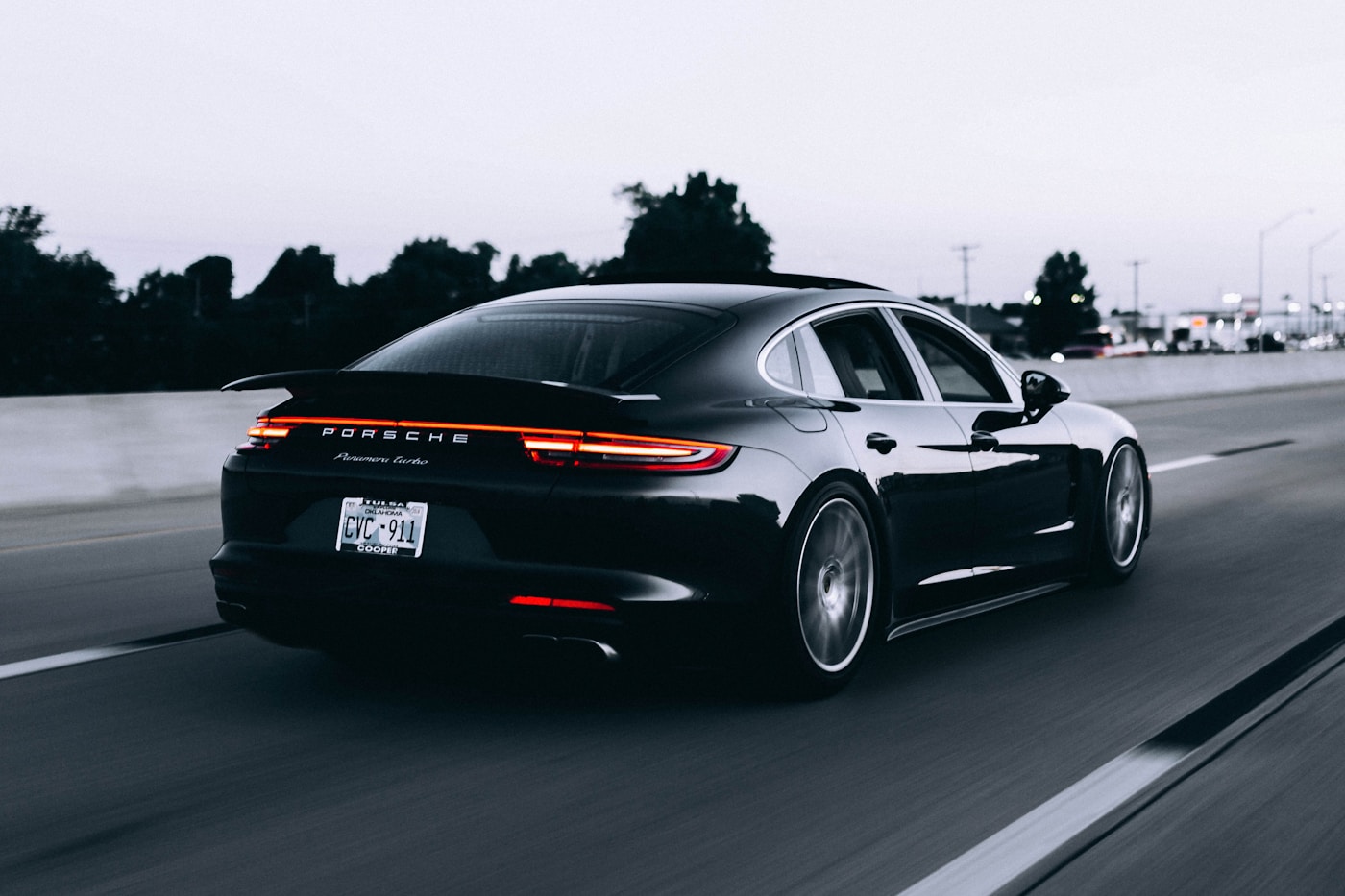
Preparing before your trip helps you drive confidently and safely throughout Europe.
Critical Travel Links
Car Rental: Compare Rental Cars →
Hotels: Compare Hotel Prices →
Travel Insurance: Compare Insurance Plans →
Airport Transfers: Book Airport Transfer →
Travel eSIM: Compare Yesim Plans →
Tours & Attractions: Browse Experiences →
Flight Compensation: Check Compensation Eligibility →
WiseChoice Quick Verdict
Driving gives travellers unmatched flexibility to explore Europe's cities, countryside and natural attractions. The key to a successful trip is understanding local regulations, carrying the correct documents and planning your route before leaving.
| WiseChoice Recommendation | Importance |
|---|---|
| Know Local Road Rules | ★★★★★ |
| Understand Speed Limits | ★★★★★ |
| Carry Required Documents | ★★★★★ |
| Research Toll Systems | ★★★★☆ |
| Prepare for Border Crossings | ★★★★☆ |
Find the Right Rental Car Before You Drive
Booking your rental vehicle in advance gives you more choice, better prices and greater flexibility throughout your European journey.
Which Side of the Road Do Europeans Drive On?
Most European countries drive on the right-hand side of the road. However, a small number of countries—including the United Kingdom, Ireland, Malta and Cyprus—drive on the left-hand side. If your itinerary includes both types of countries, allow yourself extra time to adjust when crossing borders.
| Driving Side | Countries |
|---|---|
| Right-Hand Side | Most of continental Europe including France, Germany, Spain, Italy, Portugal, Austria, Switzerland, Croatia and many others. |
| Left-Hand Side | United Kingdom, Ireland, Malta and Cyprus. |
Typical Speed Limits
Speed limits vary by country and road type, but the following ranges are common throughout much of Europe. Always obey posted signs, as local limits take precedence.
| Road Type | Typical Speed Limit |
|---|---|
| Urban Areas | 30–50 km/h |
| Rural Roads | 80–100 km/h |
| Motorways | 110–130 km/h |
Essential Documents to Carry
Before driving anywhere in Europe, make sure you have all required documentation with you. Police officers in many countries may request these documents during routine roadside checks, and failing to produce them could result in fines or delays.
| Document | Required? |
|---|---|
| Passport | Yes |
| Valid Driving Licence | Yes |
| International Driving Permit (where applicable) | Sometimes |
| Vehicle Registration | Yes |
| Insurance Documentation | Yes |
Toll Roads in Europe
Many European countries charge tolls for using motorways, tunnels or major bridges. Payment systems vary significantly, so it's important to know how your destination operates before travelling.
| System | Examples |
|---|---|
| Pay-As-You-Go Tolls | France, Italy, Spain, Portugal |
| Motorway Vignette | Austria, Switzerland, Slovenia, Czech Republic |
| Mostly Toll-Free Motorways | Germany (most passenger vehicles) |
Low Emission Zones (LEZs)
Many European cities have introduced Low Emission Zones to improve air quality. Some require vehicles to display an emissions sticker or pay an environmental charge before entering designated areas.
Popular cities including Paris, London, Brussels, Amsterdam, Milan and Berlin all operate some form of environmental restriction. Always check local requirements before driving into a city centre.
WiseChoice Tip
If you're mainly visiting large cities, consider collecting your rental car after leaving the city rather than driving through busy urban traffic and paying expensive parking fees.
Fuel Types
European petrol stations generally offer diesel and unleaded petrol, while electric charging infrastructure continues to expand rapidly throughout the continent.
| Fuel | Common? |
|---|---|
| Unleaded Petrol | Yes |
| Diesel | Very Common |
| Electric Charging | Rapidly Expanding |
Parking Rules
Parking regulations vary between countries and even individual cities. Always pay attention to signs, painted road markings and local parking meters to avoid fines or towing.
- Blue zones often require a parking disc.
- Historic city centres may restrict vehicle access.
- Underground parking garages are common in major cities.
- Never park in spaces reserved for residents unless permitted.
- Check payment methods before leaving your vehicle.
Roundabouts
Roundabouts are extremely common throughout Europe. In most countries, vehicles already inside the roundabout have priority unless road signs indicate otherwise. Always signal when exiting and pay attention to lane markings on larger multi-lane roundabouts.
Alcohol Limits
Drink-driving laws are strictly enforced across Europe. Some countries have very low legal alcohol limits, while others apply zero-tolerance rules for novice or professional drivers.
The safest approach is simple: if you plan to drive, avoid drinking alcohol entirely.
Winter Driving
If travelling during winter, particularly in Alpine regions or Northern Europe, snow tyres or winter tyres may be legally required. Some mountain roads also require snow chains during severe weather.

Winter driving regulations vary considerably across Europe, especially in mountainous regions.
What to Keep in Your Vehicle
Several European countries require drivers to carry specific safety equipment. Even where not legally required, carrying these items is strongly recommended for emergencies and roadside breakdowns.
| Item | Recommended |
|---|---|
| Reflective Safety Vest | Yes |
| Warning Triangle | Yes |
| First Aid Kit | Recommended |
| Spare Bulbs (where required) | Recommended |
| Snow Chains (winter) | Where Applicable |
Driving in Cities vs Rural Areas
Driving conditions vary considerably across Europe. Historic city centres often feature narrow streets, pedestrian-only zones, heavy traffic and limited parking, while rural roads generally offer a more relaxed driving experience with scenic landscapes.
| City Driving | Rural Driving |
|---|---|
| Heavy traffic | Less congestion |
| Expensive parking | Free or inexpensive parking |
| Low-emission zones | Few restrictions |
| Public transport often preferable | Car usually essential |
Common Mistakes Tourists Make
- Driving into restricted city centres without checking local regulations.
- Ignoring motorway toll requirements.
- Parking in resident-only spaces.
- Failing to carry legally required safety equipment.
- Assuming driving laws are identical across Europe.
- Booking an automatic vehicle too late during peak season.
- Forgetting to check fuel type before refuelling.
Frequently Asked Questions
Can I drive across several European countries?
Yes. Many travellers drive through multiple countries during one trip, but you should confirm your rental company's cross-border policy before travelling.
Are European roads safe?
Generally, yes. Europe has an extensive network of modern roads and motorways. Following local driving rules and speed limits helps ensure a safe journey.
Do I need winter tyres?
Some countries legally require winter tyres during colder months, particularly in mountainous regions and Northern Europe.
Can I use my home country's driving licence?
Many visitors can, although some destinations also require an International Driving Permit. Verify the requirements before departure.
Is driving in Europe difficult?
Most visitors find driving straightforward once they become familiar with local road signs, roundabouts, parking regulations and speed limits.
Plan Your European Road Trip with Confidence
Reserve your rental vehicle early, understand local driving regulations and prepare the necessary documents before you travel.
Related Resources
Travel Essentials
Car Rental: Compare Rental Prices →
Hotels: Compare Hotel Prices →
Travel eSIM: Compare Yesim Plans →
Insurance: Compare Insurance Plans →
Airport Transfers: Book Airport Transfer →
Tours & Attractions: Browse Experiences →
Flight Compensation: Check Compensation Eligibility →
WiseChoice Summary
Driving in Europe opens the door to destinations that many visitors never experience by relying solely on trains or flights. From mountain passes and coastal highways to charming villages and national parks, a car provides unmatched flexibility.
Before setting off, understand the driving side, speed limits, toll systems, environmental zones and documentation required in each country on your itinerary. Planning ahead helps avoid fines and makes your journey smoother and safer.
Whether you're travelling for a weekend or embarking on a multi-country road trip, careful preparation and responsible driving will help you make the most of Europe's outstanding road network.
WiseChoice Recommendation: Research local regulations, compare rental providers before booking and keep all required documents and safety equipment with you throughout your journey.
Affiliate Disclosure: Some links on this page are affiliate links. If you make a purchase or booking through them, WiseChoiceCompare may earn a commission at no additional cost to you. Our recommendations are based on independent research, value, reliability and overall traveller experience.