Europe Packing Guide (Complete Guide for First-Time Visitors in 2026)
Updated for 2026 • Packing Checklist • Seasonal Clothing • Carry-on Essentials • Travel Accessories
Packing smart is one of the easiest ways to make your European trip smoother, cheaper and more enjoyable.
Europe's historic city centres, extensive rail networks, varied climates and airline baggage restrictions reward travellers who pack efficiently. Whether you're visiting a single destination or exploring multiple countries, bringing the right essentials can save time, money and unnecessary stress throughout your journey.
This comprehensive Europe Packing Guide explains exactly what to pack, what to leave behind and how to prepare for every season, helping first-time visitors travel confidently across the continent.

Packing efficiently makes moving between European cities faster, easier and far less stressful.
Critical Travel Links
Hotels: Compare Hotel Prices →
Travel Insurance: Compare Insurance Plans →
Travel eSIM: Compare Yesim Plans →
Airport Transfers: Book Airport Transfer →
Tours & Attractions: Browse Experiences →
Flight Compensation: Check Compensation Eligibility →
WiseChoice Quick Verdict
For most travellers, the ideal packing strategy is to travel light with one carry-on suitcase and a small backpack. Packing versatile clothing, comfortable walking shoes and essential travel documents will make navigating Europe's trains, airports and historic city centres significantly easier.
| Packing Recommendation | WiseChoice Rating |
|---|---|
| Carry-on Luggage | ★★★★★ |
| Comfortable Walking Shoes | ★★★★★ |
| Layered Clothing | ★★★★★ |
| Travel Insurance | ★★★★★ |
| Universal Power Adapter | ★★★★★ |
Protect Your Trip Before You Pack
Unexpected medical emergencies, flight disruptions or lost baggage can quickly become expensive. Purchasing comprehensive travel insurance before departure provides valuable peace of mind throughout your European journey.
Why Smart Packing Matters in Europe
Unlike many destinations where taxis are readily available door-to-door, travelling through Europe often involves walking across train platforms, navigating metro stations, climbing staircases and rolling luggage over centuries-old cobblestone streets.
Packing efficiently reduces travel fatigue, speeds up transfers and lowers airline baggage fees while giving you greater flexibility throughout your trip.
The Golden Rule: Pack for Mobility
Experienced European travellers generally recommend packing less than you think you'll need. Most cities offer convenient laundry facilities and shops where everyday essentials can easily be purchased if required.
- Choose a lightweight carry-on suitcase whenever possible.
- Bring a comfortable day backpack.
- Avoid oversized luggage for multi-city itineraries.
- Use packing cubes to organise clothing efficiently.
- Leave extra room for souvenirs.
Choosing the Right Luggage
| Travel Style | Recommended Luggage |
|---|---|
| City Break | Carry-on suitcase. |
| Multi-country Rail Trip | Carry-on plus backpack. |
| Road Trip | Medium suitcase. |
| Winter Holiday | Medium suitcase with layered clothing. |
What to Pack by Season
Spring (April–June)
- Light jacket
- Umbrella
- Walking shoes
- Light sweaters
Summer (July–August)
- Breathable clothing
- Sun hat
- Sunglasses
- Reusable water bottle
Autumn (September–October)
- Layers
- Water-resistant jacket
- Comfortable closed shoes
Winter (November–March)
- Warm coat
- Thermal clothing
- Gloves
- Scarf
- Waterproof boots
Essential Travel Documents
Keep all important travel documents together in a secure, easily accessible location. Having both physical and digital copies can save valuable time if something is lost or stolen during your trip.
- Passport with at least six months' validity where applicable.
- Travel insurance certificate.
- Flight confirmations.
- Hotel reservations.
- Rail or bus tickets.
- Visa documentation if required.
- Emergency contact information.
- Copies stored securely in cloud storage.
Electronics & Travel Tech
A few carefully chosen gadgets can make travelling across Europe much easier without adding unnecessary weight to your luggage.
| Item | Why You Need It |
|---|---|
| Universal Power Adapter | Compatible with most European outlets. |
| Power Bank | Keeps devices charged during long travel days. |
| Charging Cable | Carry a spare for convenience. |
| eSIM | Affordable mobile data across Europe. |
Toiletries & Personal Care
Pack travel-sized toiletries whenever possible to save luggage space and comply with airline cabin baggage rules.
- Toothbrush and toothpaste.
- Deodorant.
- Shampoo and conditioner.
- Sunscreen.
- Lip balm.
- Hand sanitiser.
- Tissues.
- Basic first-aid supplies.
Medicines & Health Essentials
Bring enough prescription medication for your entire trip, along with a copy of any necessary prescriptions. It's also useful to carry a small health kit containing pain relief, plasters and any medications you regularly use.
Money & Payment Tips
Europe is increasingly cashless, but carrying a small amount of local currency remains useful for markets, small cafés and public facilities.
- Carry two payment cards.
- Notify your bank before travelling if required.
- Avoid unnecessary airport currency exchange.
- Use contactless payment where available.
- Keep emergency cash separate from your wallet.
Carry-on Essentials
Always keep valuable items and anything essential for the first day of your trip in your carry-on bag.
- Passport.
- Wallet.
- Phone.
- Medication.
- Power bank.
- Travel documents.
- Light jacket.
- Reusable water bottle.
Checked Luggage Checklist
- Extra clothing.
- Additional footwear.
- Laundry bag.
- Toiletries.
- Travel towel.
- Spare charger.
- Seasonal clothing.
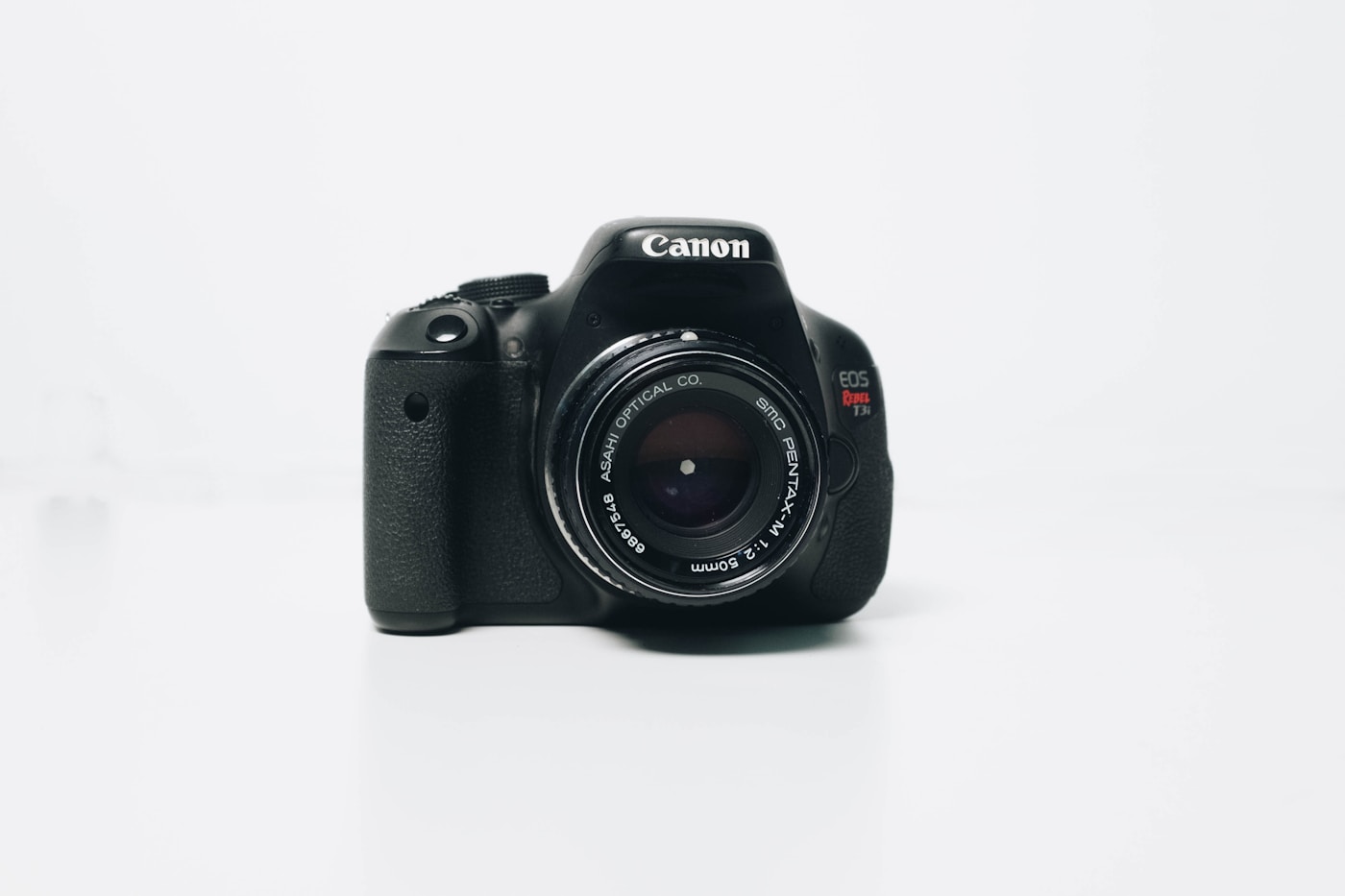
Packing only what you'll actually use makes travelling between European destinations far more enjoyable.
Common Packing Mistakes
- Bringing too many clothes.
- Packing brand-new shoes.
- Ignoring airline baggage limits.
- Forgetting a universal adapter.
- Leaving important documents in checked luggage.
- Packing liquids incorrectly.
- Taking oversized suitcases on rail trips.
City Break vs Multi-Country Trip
| Trip Type | Packing Strategy |
|---|---|
| Single City Holiday | Carry slightly more clothing if staying in one hotel. |
| Multi-Country Rail Trip | Pack as lightly as possible. |
| Road Trip | Medium suitcase with flexible storage. |
Packing for Winter Destinations
Travelling to destinations such as the Alps, Scandinavia or Northern Europe during winter requires additional thermal clothing, insulated outerwear and waterproof footwear. Focus on warm layers rather than bulky individual garments to maximise luggage space.
Packing for Summer Destinations
For Mediterranean destinations including Spain, Portugal, Italy, Croatia and Greece, lightweight clothing, breathable fabrics, sunglasses, sunscreen and comfortable walking shoes are usually the most practical choices.
Printable Europe Packing Checklist
Use this checklist before leaving for the airport to ensure you've packed everything you need for a smooth European trip.
Travel Documents
- ☐ Passport
- ☐ Travel Insurance
- ☐ Flight Tickets
- ☐ Hotel Reservations
- ☐ Visa Documents (if required)
- ☐ Emergency Contacts
Clothing
- ☐ Everyday Clothing
- ☐ Walking Shoes
- ☐ Jacket
- ☐ Sleepwear
- ☐ Underwear & Socks
- ☐ Weather-appropriate Accessories
Electronics
- ☐ Phone
- ☐ Charger
- ☐ Universal Adapter
- ☐ Power Bank
- ☐ Headphones
Toiletries
- ☐ Toothbrush
- ☐ Toothpaste
- ☐ Shampoo
- ☐ Sunscreen
- ☐ Prescription Medication
Family Packing Tips
Families travelling through Europe benefit from packing strategically rather than packing excessively. Laundry facilities are widely available, making it unnecessary to bring enough clothing for every day of the trip.
- Pack one day's clothing in your carry-on.
- Bring snacks for long train journeys.
- Carry entertainment for children.
- Pack lightweight folding day bags.
- Share toiletries where practical.
Digital Travel Checklist
Before leaving home, download essential travel apps and store important documents securely on your phone.
- Offline maps.
- Airline apps.
- Hotel confirmations.
- Rail tickets.
- Travel insurance documents.
- Emergency contacts.
- Translation app.
- Currency converter.
Frequently Asked Questions
Should I bring cash to Europe?
Yes. Although card payments are widely accepted, carrying a small amount of local currency is useful for markets, cafés and smaller businesses.
How many pairs of shoes should I pack?
For most trips, two pairs are sufficient: one comfortable walking shoe and one alternative pair suitable for evenings or different weather conditions.
Do I need a universal power adapter?
Yes. Most European countries use Type C or Type F sockets, while destinations such as the United Kingdom and Ireland use Type G plugs. A universal adapter covers multiple destinations with a single device.
Is a carry-on suitcase enough?
For many travellers spending one to two weeks in Europe, a carry-on suitcase combined with a small backpack provides enough space while making train stations, airports and historic city centres much easier to navigate.
Should I buy travel insurance before packing?
Yes. Purchasing travel insurance before departure helps protect against unexpected medical expenses, cancelled trips, delayed baggage and other travel disruptions.
Complete Your Travel Planning Before Departure
Once you've packed your suitcase, take a few minutes to confirm your hotel reservations, travel insurance and airport transfers. Completing these arrangements before you leave home helps ensure a smoother journey across Europe.
Related Resources
Travel Essentials
Hotels: Compare Hotel Prices →
Travel eSIM: Compare Yesim Plans →
Insurance: Compare Insurance Plans →
Airport Transfers: Book Airport Transfer →
Tours & Attractions: Browse Experiences →
Car Rental: Compare Rental Cars →
Flight Compensation: Check Compensation Eligibility →
WiseChoice Summary
Packing efficiently is one of the best ways to improve your European travel experience. A lightweight suitcase, comfortable footwear, versatile clothing and carefully selected travel essentials make it easier to move between airports, train stations and historic city centres while avoiding unnecessary baggage fees and travel fatigue.
Before you leave, make sure your travel documents are organised, your electronics are fully prepared, and your accommodation, insurance and transport arrangements are confirmed. Travelling light not only makes your journey more comfortable but also gives you greater flexibility to enjoy everything Europe has to offer.
WiseChoice Recommendation: Pack only what you'll realistically use, book accommodation in advance, arrange comprehensive travel insurance and download essential travel documents to your phone before departure.
Affiliate Disclosure: Some links on this page are affiliate links. If you purchase a product or service through them, WiseChoiceCompare may earn a commission at no additional cost to you. Our recommendations are based on independent research, traveller value, reliability and overall quality.