Rome Travel Guide 2026 (Best Things to Do, Where to Stay & Trip Planning)
Updated for 2026 • Attractions • Best Areas • Hotels • Transport • Food • Itineraries • Travel Essentials
Rome is one of Europe's most rewarding city destinations, but choosing the right area, hotel and sightseeing strategy can make a major difference to your trip.
The Eternal City combines Ancient Rome, Renaissance and Baroque landmarks, Vatican City, world-famous museums, neighbourhood restaurants and lively evening districts. The challenge for many visitors is not finding things to do, but deciding where to stay, what to prioritise and how to organise the city without wasting valuable time travelling between attractions.
This Rome Travel Guide brings the essential planning decisions together in one place. Whether you are visiting for a weekend, spending three or four days in the city, travelling as a couple, visiting with family or planning a longer Italy itinerary, the sections below will help you choose the right location and make better booking decisions.
Quick Answer: How Should You Plan a Rome Trip?
For most first-time visitors, the strongest strategy is to stay in a walkable central area, group attractions by location and avoid trying to see every major landmark in a single day.
Centro Storico is usually the best overall base for first-time visitors. Trastevere is excellent for restaurants and evening atmosphere, Prati works well for Vatican access and a calmer environment, while the Spanish Steps area is a strong choice for luxury and premium central stays.
Best booking strategy: choose your preferred neighbourhood first, then compare the exact hotel location, room type, total price, cancellation conditions and recent guest feedback before booking.
🏨 Compare Rome Hotels by Location and Price →
Rome at a Glance
| Planning Priority | Best Choice | Main Advantage |
|---|---|---|
| First-Time Visit | Centro Storico | Excellent access to major landmarks and historic streets |
| Restaurants & Evenings | Trastevere | Atmosphere, trattorias, wine bars and lively streets |
| Luxury Travel | Spanish Steps | Premium hotels, shopping and central convenience |
| Families & Vatican Access | Prati | Calmer atmosphere and useful Vatican access |
| Ancient Rome | Colosseum / Monti Area | Convenient access to the Colosseum, Forum and Palatine Hill |
| Transport & Day Trips | Termini | Rail, Metro and wider transport connections |
WiseChoice planning principle: location can matter more than a small difference in hotel price. A well-positioned hotel can reduce daily transport time, make midday breaks easier and allow you to experience more of Rome on foot.
Compare the Best Hotels in Rome →
Compare the Best Areas to Stay in Rome →
Best Things to Do in Rome
Rome has enough major attractions to fill several trips, so the most efficient approach is to group sightseeing by area. Trying to cross the city repeatedly can turn a manageable itinerary into an exhausting one.
1. Visit the Colosseum, Roman Forum and Palatine Hill
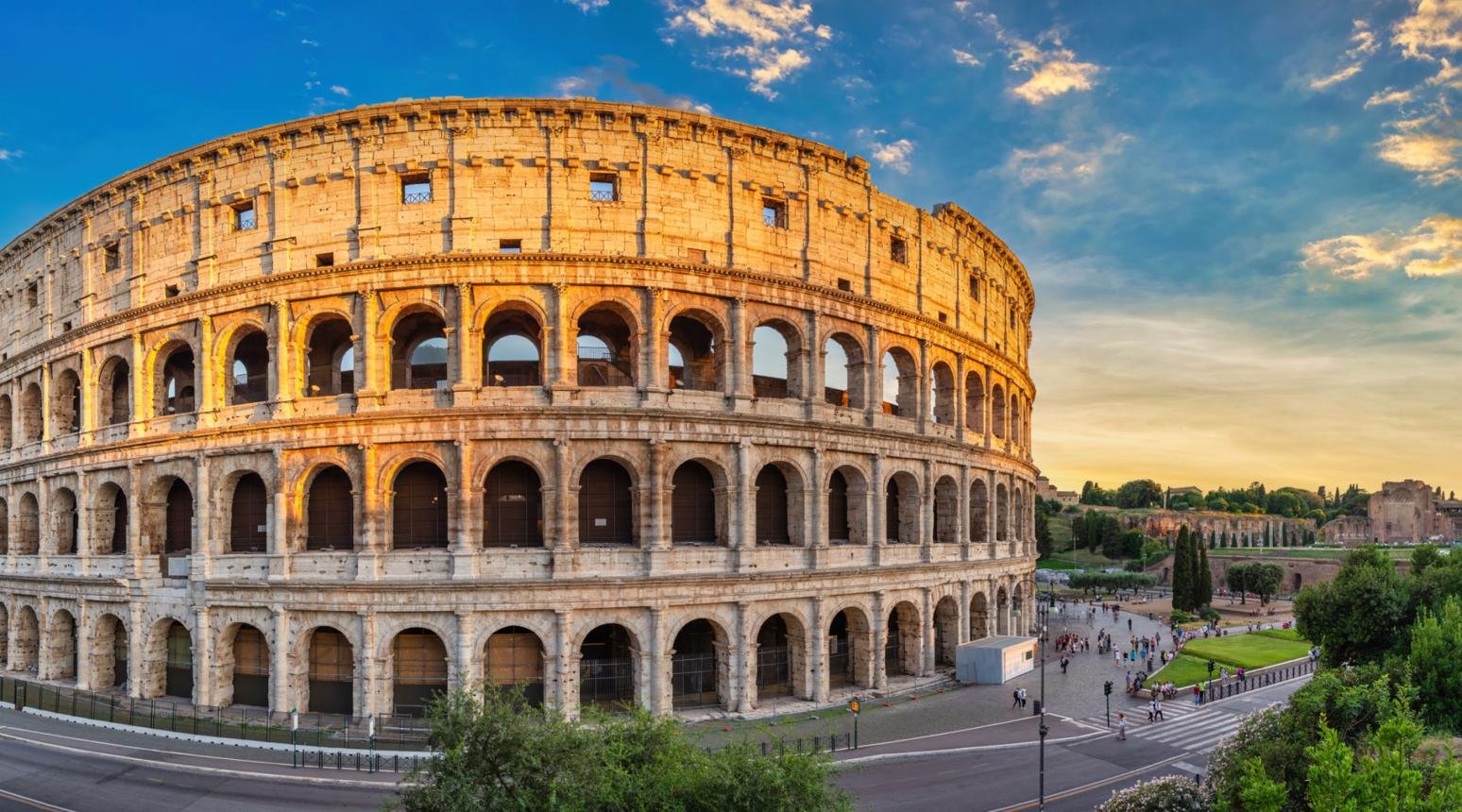
The Colosseum is one of Rome's essential first-time experiences, and the surrounding Ancient Rome area deserves significantly more than a quick stop. The Roman Forum and Palatine Hill are close enough to form a natural sightseeing group.
Allow sufficient time rather than treating the area as a single short attraction. Walking between the major ancient sites and nearby neighbourhoods can take longer than expected, particularly during busy periods.
Explore Hotels Near the Colosseum →
2. Explore the Pantheon and Historic Centre
The Pantheon sits in one of Rome's most enjoyable walking areas. From here, it is easy to continue toward Piazza Navona, Campo de' Fiori, Trevi Fountain and many of the historic centre's restaurants and cafés.
This is one of the best parts of Rome to explore without a tightly scheduled itinerary. Leave time to walk through smaller streets and piazzas rather than moving directly from one famous landmark to the next.
Explore Hotels Near the Pantheon →
3. See the Trevi Fountain
The Trevi Fountain is one of Rome's most recognisable landmarks and is easy to combine with a day exploring the Spanish Steps, Pantheon and surrounding historic streets.
The immediate area can become busy, so visiting at a quieter time may provide a more comfortable experience.
Compare Hotels Near the Trevi Fountain →
4. Visit the Spanish Steps and Surrounding Streets
The Spanish Steps area combines one of Rome's most famous landmarks with designer shopping, elegant streets and convenient access to the historic centre.
It is particularly attractive for visitors planning a premium city break or those who want to stay in one of Rome's most central and prestigious areas.
Explore Hotels Near the Spanish Steps →
5. Visit Vatican City
Vatican City is one of the major reasons many visitors come to Rome. St. Peter's Basilica and the Vatican Museums can require a significant part of a day, so avoid scheduling too many distant attractions immediately before or after your visit.
Travellers who want to spend more time in this part of Rome may find Prati a practical accommodation choice.

6. Spend an Evening in Trastevere
Trastevere offers a different side of Rome from the major monument zones. Its narrow streets, restaurants, wine bars and lively squares make it one of the strongest places to spend an evening.
It works particularly well for visitors who want dining and neighbourhood atmosphere to be part of their Rome experience rather than simply returning to their hotel after sightseeing.
Explore Hotels in Trastevere →
Compare Rome Hotel Deals by Location →
Explore More of the Best Things to Do in Rome →
Where to Stay in Rome
Rome is a large city, and accommodation choice can have a major effect on how efficiently you experience it. The best area depends on whether your priority is first-time sightseeing, restaurants and nightlife, luxury hotels, Vatican access, Ancient Rome or transport connections.
Centro Storico — Best Overall for First-Time Visitors
Centro Storico provides the strongest overall balance of sightseeing convenience, historic atmosphere and walkability. Depending on your exact location, you may be close to the Pantheon, Piazza Navona, Trevi Fountain and many central restaurants.
Explore Hotels in Centro Storico →
Trastevere — Best for Food and Evening Atmosphere
Trastevere is one of the strongest choices for couples, food lovers and travellers who want restaurants, wine bars and lively streets close to their hotel.
Prati — Best for Vatican Access and a Calmer Base
Prati can be a practical choice for families and visitors spending significant time around Vatican City. The area generally offers a calmer atmosphere while remaining connected to central Rome.
Spanish Steps — Best for Luxury
The Spanish Steps area is one of Rome's strongest locations for premium hotels, elegant surroundings and central access to shopping, restaurants and major attractions.
Colosseum and Monti — Best for Ancient Rome and Character
This part of Rome is particularly convenient for visitors who want easy access to the Colosseum, Roman Forum and Palatine Hill while also enjoying restaurants and neighbourhood character.
Compare the Best Hotels in Rome →
Read the Complete Guide to Where to Stay in Rome →
🏨 Compare Rome Hotels in the Best Areas →
How Many Days Do You Need in Rome?
Three to four full days is a strong starting point for a first visit to Rome. This allows time for Ancient Rome, the historic centre, Vatican City and at least one period of slower neighbourhood exploration.
A practical first-time Rome structure:
- Day 1: Colosseum, Roman Forum, Palatine Hill and Monti.
- Day 2: Pantheon, Piazza Navona, Trevi Fountain and Spanish Steps.
- Day 3: Vatican City, St. Peter's Basilica and Prati.
- Day 4: Trastevere, neighbourhood exploration, shopping or attractions missed earlier.
Getting Around Rome
Rome is a city where walking can often be the most efficient way to explore, particularly when your hotel is in or near the historic centre. However, distances between major sightseeing areas can still be significant, so it is useful to combine walking with Metro, buses and taxis when appropriate.
Walk When Attractions Are Grouped Together
The historic centre is best explored on foot. The Pantheon, Piazza Navona, Trevi Fountain and Spanish Steps can be combined into a logical walking route, while the Colosseum, Roman Forum and Palatine Hill form another natural sightseeing group.
Use Public Transport Strategically
Public transport can save time when travelling between more distant areas, particularly when your accommodation is outside the historic centre. Before leaving your hotel, check the route based on your exact destination rather than assuming the nearest station or stop will always provide the fastest connection.
Avoid Unnecessary Cross-City Travel
One of the easiest ways to make a Rome itinerary less efficient is to schedule attractions in opposite parts of the city on the same day. Grouping activities by location can reduce transport time and leave more time for meals, neighbourhood exploration and unexpected discoveries.
Read the Rome Public Transport Guide →
Where and What to Eat in Rome
Food is an important part of the Rome experience, and the city offers everything from traditional trattorias and neighbourhood restaurants to cafés, wine bars and more refined dining.
Trastevere is one of the most popular areas for visitors who want restaurants and evening atmosphere close together. The historic centre also provides a wide range of dining options, while neighbourhoods outside the busiest tourist areas can offer a different local atmosphere.
Popular dishes to look for in Rome include:
- Cacio e Pepe
- Carbonara
- Amatriciana
- Saltimbocca alla Romana
- Supplì
- Roman-style pizza
- Gelato
Explore the Best Restaurants in Rome →
Explore Rome Nightlife and Evening Areas →
When Is the Best Time to Visit Rome?
The best time to visit depends on whether your priority is sightseeing conditions, weather, crowd levels or the type of trip you are planning.
| Travel Period | Best For | Planning Consideration |
|---|---|---|
| Spring | Sightseeing and walking | Popular travel period, so central hotels can become more expensive |
| Summer | Longer evenings and extended trips | Heat and visitor numbers can affect sightseeing comfort |
| Autumn | City breaks and food-focused trips | A strong period for combining sightseeing with neighbourhood exploration |
| Winter | Potentially lower-demand periods | Weather and holiday schedules should be considered |
Regardless of travel period, compare accommodation availability and cancellation conditions before booking. Prices can vary significantly depending on demand, events, exact location and room type.
🏨 Compare Rome Hotel Prices for Your Travel Dates →
Common Mistakes When Planning a Rome Trip
Rome is easier to enjoy when you avoid trying to see everything as quickly as possible. These are some of the most common planning mistakes:
- Trying to visit too many major attractions in one day. Rome's landmarks are spread across different areas, and each major site can take longer than expected.
- Choosing a hotel based only on price. A slightly cheaper hotel can become less convenient if it requires significant daily transport.
- Not checking the exact hotel location. A neighbourhood name can cover a large area, so verify the property's position relative to the attractions you plan to visit.
- Crossing the city repeatedly. Group sightseeing by location whenever possible.
- Leaving no time for neighbourhood exploration. Some of Rome's most enjoyable experiences come from walking through historic streets, stopping at cafés and exploring areas outside the main attraction checklist.
- Not comparing total booking conditions. Check the complete price, room type, cancellation policy and other booking details before confirming.
Smart Rome strategy: choose your area first, organise sightseeing by location and leave space in the itinerary for slower exploration. Rome usually rewards a well-paced trip more than an overfilled schedule.
Check Current Rome Hotel Availability →
Travel Essentials for Rome
A well-planned Rome trip usually involves more than choosing attractions and accommodation. Compare these travel essentials before your trip.
🏨 Compare Hotels in Rome Before You Book →
📱 Mobile Data: An eSIM can help you stay connected for maps, transport information and bookings without relying entirely on public Wi-Fi.
🚕 Airport Transfers: Pre-booking an airport transfer can simplify arrival, particularly when travelling with luggage or arriving outside normal daytime hours.
Compare Rome Airport Transfer Options →
🚗 Car Rental: A rental car is generally unnecessary for central Rome, but it can be useful if Rome is part of a wider Italy itinerary.
Compare Car Rental Options for Italy →
🛡️ Travel Insurance: Compare available coverage and policy terms based on your individual trip and travel requirements.
🏨 Check Rome Hotel Prices and Availability →
Explore More Rome Travel Guides
Where to Stay in Rome →
Compare Rome's best neighbourhoods for sightseeing, couples, families, luxury stays and food-focused trips.
Best Hotels in Rome →
Compare hotel options for different travel styles, locations and budgets.
Hotels in Centro Storico →
Explore hotels positioned for convenient access to Rome's historic centre and major landmarks.
Hotels in Trastevere →
Compare accommodation in one of Rome's most atmospheric neighbourhoods.
Hotels Near the Colosseum →
Find accommodation convenient for the Colosseum, Roman Forum and Ancient Rome.
Hotels Near the Pantheon →
Compare centrally located accommodation near the Pantheon and Rome's historic streets.
Hotels Near the Trevi Fountain →
Explore hotels near one of Rome's most famous landmarks.
Hotels Near the Spanish Steps →
Compare premium accommodation in one of Rome's most central areas.
Frequently Asked Questions
Is Rome worth visiting for the first time?
Yes. Rome offers an exceptional combination of ancient landmarks, historic streets, museums, food and neighbourhood experiences. The key is to plan a realistic itinerary rather than trying to see everything in a short period.
How many days do you need in Rome?
Three to four full days is a strong starting point for a first visit. This gives you time for Ancient Rome, the historic centre, Vatican City and at least one period of slower exploration.
What is the best area to stay in Rome?
Centro Storico is generally the strongest overall choice for first-time visitors because of its combination of walkability, historic atmosphere and access to major attractions. Trastevere, Prati and the Spanish Steps area may be better depending on your travel style.
Is Rome easy to walk around?
Many of Rome's central attractions can be explored on foot, particularly when you group nearby landmarks together. However, the city is large, and public transport or taxis can be useful when travelling between more distant areas.
What should first-time visitors prioritise in Rome?
Most first-time visitors should prioritise the Colosseum and Ancient Rome, the Pantheon and historic centre, Trevi Fountain and Spanish Steps, Vatican City and at least one evening exploring Trastevere or another neighbourhood.
Final Recommendation: How to Plan Your Rome Trip
For a first visit, stay in a location that supports your itinerary rather than simply choosing the cheapest available hotel. Centro Storico is the strongest overall base for sightseeing, while Trastevere, Prati, the Spanish Steps and the Colosseum area each offer advantages for specific travel styles.
Plan your days geographically, allow enough time for major attractions and leave room for spontaneous exploration. Rome is best experienced as a combination of landmark sightseeing and time spent enjoying the city's streets, food and neighbourhood atmosphere.
🏨 Compare the Best Rome Hotels for Your Trip →
Affiliate Disclosure: WiseChoiceCompare may earn a commission when you book or purchase through selected links on this page, at no additional cost to you. This helps support the research and maintenance of our comparison guides. Prices, availability and provider terms can change, so always review the final details before booking.