Smart Home Office Ecosystem Guide (2026)
Updated for 2026 • Smart workspaces, connected productivity ecosystems, workflow automation, ergonomic infrastructure, and remote productivity optimization
Modern home offices increasingly depend on smart ecosystems that combine workflow continuity, ergonomic sustainability, networking reliability, connected-device management, and long-term productivity flexibility.
The most effective smart home-office ecosystems are built around:
- workflow continuity
- networking reliability
- ergonomic workspace systems
- smart productivity automation
- mobile workflow flexibility
- long-term infrastructure scalability
Build a Smarter and More Efficient Home Office Ecosystem
The best smart home-office systems improve workflow continuity, networking reliability, ergonomic sustainability, connected-device stability, and long-term productivity performance.
Explore Remote Productivity Infrastructure →
💡 Most Important Smart Home Office Upgrade
For most professionals, improving workflow continuity and ergonomic flexibility creates the biggest long-term improvement in productivity sustainability and remote-work efficiency.
The 6 Core Layers of a Smart Home Office Ecosystem
1. Workflow Continuity Systems
Workflow continuity systems reduce friction between devices, workflows, and productivity environments.
Modern smart home-office ecosystems increasingly rely on:
- docking stations
- USB-C hubs
- multi-device synchronization
- workflow continuity planning
- workspace flexibility systems
2. Networking Reliability Infrastructure
Reliable networking systems improve communication quality, workflow stability, and cloud productivity performance.
Modern remote productivity environments increasingly rely on:
- high-performance routers
- mesh WiFi systems
- whole-home coverage optimization
- video-call reliability systems
- network resilience planning
3. Ergonomic Workspace Infrastructure
Strong ergonomic systems improve comfort, posture support, movement flexibility, and long-term productivity sustainability.
Modern workspaces increasingly integrate:
- standing desks
- monitor arms
- ergonomic chairs
- workspace lighting systems
- desk organization infrastructure
4. Smart Productivity Automation
Modern home offices increasingly integrate smart productivity systems to improve convenience and workflow automation.
Modern connected workspaces increasingly integrate:
- smart lighting systems
- voice-assistant integration
- workflow automation routines
- connected-device management
- cross-platform productivity tools
5. Mobile Workflow Flexibility
Modern productivity increasingly depends on portable workflows and flexible workstation mobility.
Modern professionals increasingly rely on:
- portable monitors
- external SSDs
- travel workstation systems
- portable connectivity tools
- workflow mobility infrastructure
6. Long-Term Infrastructure Scalability
The best smart home-office ecosystems are designed around flexibility, simplicity, and scalability.
Modern productivity environments increasingly prioritize:
- workflow simplicity
- device compatibility
- workspace scalability
- connected-device reliability
- long-term infrastructure planning
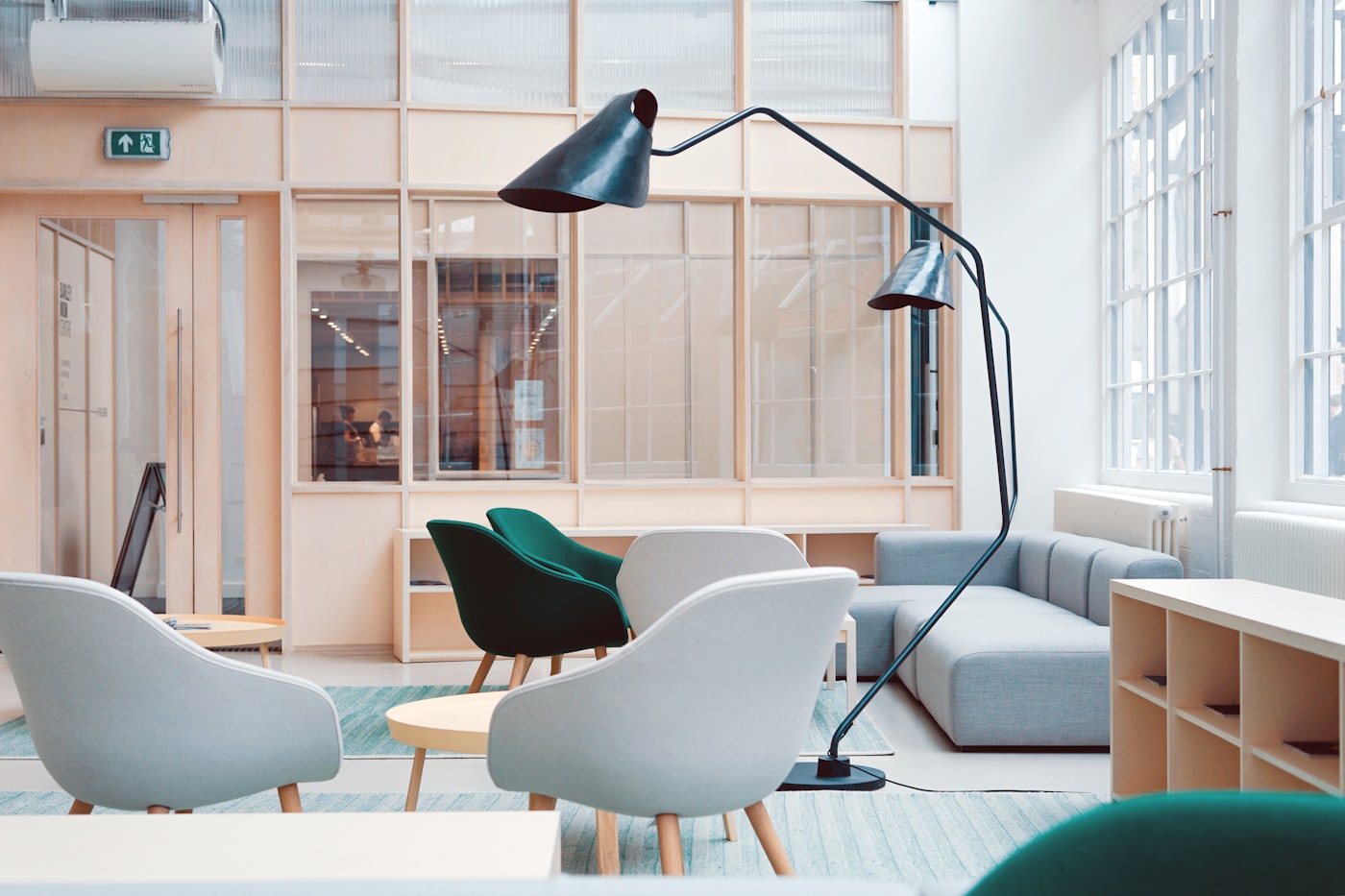
Why Smart Home Office Infrastructure Matters
Modern productivity increasingly depends on:
- workflow continuity
- networking reliability
- ergonomic sustainability
- connected-device stability
- workflow automation
- mobile productivity flexibility
Weak home-office infrastructure often creates:
- workflow interruptions
- workspace discomfort
- communication instability
- technology frustration
- reduced workflow efficiency
For many professionals, smart home-office infrastructure quality increasingly affects workflow sustainability, flexibility, and long-term digital performance.
Recommended Smart Home Office Upgrade Path
- Simplify workflow continuity systems
- Optimize networking reliability and coverage
- Improve ergonomic workspace flexibility
- Expand workflow automation systems
- Improve mobile workflow flexibility
- Prioritize long-term infrastructure simplicity

Most Common Smart Home Office Mistakes
- Ignoring workflow continuity planning
- Using weak networking infrastructure
- Overcomplicating connected-device ecosystems
- Ignoring ergonomic sustainability
- Using cluttered workspace systems
- Ignoring automation scalability
- Overloading wireless networks
- Prioritizing aesthetics over usability
Who Benefits Most From Smart Home Office Ecosystems?
- remote workers
- hybrid professionals
- creators and entrepreneurs
- digital nomads
- multi-device workflows
- productivity-focused professionals
- technology-forward workspaces
For many professionals, strong smart home-office infrastructure dramatically improves workflow efficiency, comfort, flexibility, and long-term productivity sustainability.
Frequently Asked Questions
What is a smart home-office ecosystem?
A smart home-office ecosystem combines workflow systems, networking infrastructure, ergonomic workspaces, smart productivity automation, and connected-device management into a unified productivity environment.
What is the most important smart home-office upgrade?
For many professionals, improving workflow continuity and ergonomic flexibility creates the biggest long-term improvement in productivity sustainability.
Why does workflow continuity matter?
Workflow continuity systems reduce friction between devices, workflows, and work environments, improving efficiency and workflow consistency.
Are workflow automation systems worth it?
For many professionals, workflow automation systems improve convenience, efficiency, connected-device management, and long-term productivity flexibility.
Build a Smarter and More Efficient Home Office Ecosystem
Strong smart home-office systems improve workflow continuity, networking reliability, ergonomic sustainability, connected-device stability, and long-term productivity performance.
Bottom Line
Modern home offices increasingly depend on infrastructure systems that support:
- workflow continuity
- networking reliability
- ergonomic sustainability
- connected-device stability
- workflow automation
- mobile productivity flexibility
For many professionals, strong smart home-office infrastructure dramatically improves workflow efficiency, flexibility, comfort, and long-term productivity sustainability.
Disclaimer: Productivity improvements, networking performance, ergonomic benefits, and workflow efficiency vary depending on workspace design, device ecosystems, environmental conditions, and individual work habits.
This page may contain affiliate links. We may earn a commission at no extra cost to you.