2–3 Days in London (The Perfect First-Time Itinerary for 2026)
Updated for 2026 • Canonical London Itinerary • Gold Standard • First-Time Visitors • Walkable Routes • Hotel Strategy • Practical Travel Guide
London is one of the world's greatest cities for a short break. Even if you only have two or three days, careful planning allows you to experience many of the city's iconic landmarks, royal attractions, museums, markets, restaurants and neighbourhoods without feeling rushed.
The key to enjoying London isn't trying to see everything—it's creating a logical itinerary that minimizes travel time while maximizing sightseeing. London's Underground is excellent, but staying in the right neighbourhood and grouping nearby attractions together will save valuable hours during a short visit.
This itinerary has been designed specifically for first-time visitors who want to experience London's highlights while still discovering the city's atmosphere, cafés, parks and local character. It balances famous landmarks with authentic neighbourhoods, helping you avoid common planning mistakes that often leave visitors spending more time travelling than sightseeing.
Whether you're visiting for a weekend, a city break before touring Europe or a short business trip with extra sightseeing time, this guide will help you experience the very best of London efficiently.
Editor's Recommendation
For visitors spending only two or three days in London, staying in Covent Garden provides the greatest overall value. You'll be within walking distance of many major attractions, surrounded by excellent restaurants and theatres, and close to several Underground stations for exploring the rest of the city.
If Covent Garden hotels exceed your budget, Westminster, South Bank, Soho and Paddington all provide excellent alternatives depending on your travel style.
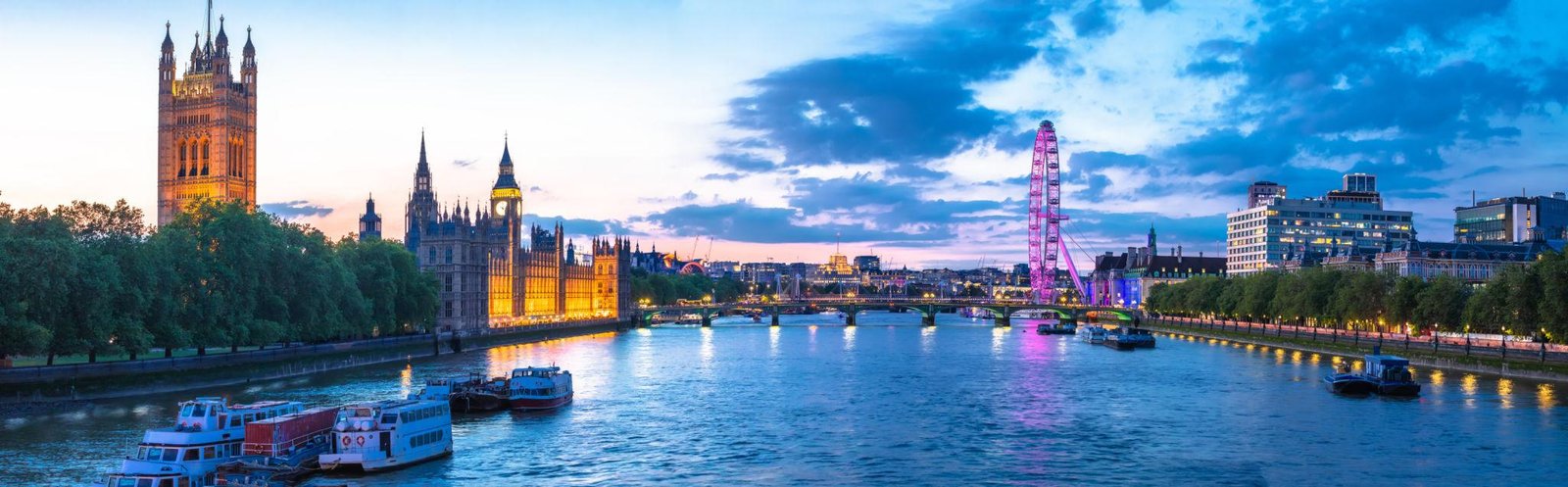
Before You Arrive
- Fly into Heathrow whenever possible for the fastest public transport connections.
- Use a contactless bank card or mobile wallet instead of purchasing paper Underground tickets.
- Download an eSIM before arrival to access maps and transport information immediately.
- Wear comfortable walking shoes—most visitors walk 15–20 km during a full sightseeing day.
- Pack a lightweight waterproof jacket regardless of the season.
- Reserve popular attractions before travelling, particularly during spring, summer and Christmas.
- Book accommodation in Zone 1 whenever your budget allows.
🏨 Compare Central London Hotels →
🎟️ Reserve London Attractions →
Hotel Location Matters More Than Hotel Price
On a two or three day visit, your hotel location has a greater impact on your trip than almost any other decision. Staying centrally can save several hours of travel, allowing you to experience more attractions while spending less on transport.
Travel Essentials
🏨 Hotels
Compare Hotels →
🎟️ Tours & Attractions
Book Experiences →
📱 UK eSIM
Stay Connected →
🚖 Airport Transfers
Reserve Transfers →
🚗 Car Rental
Compare Rental Cars →
🛡️ Travel Insurance
Compare Coverage →
Quick Itinerary Overview
| Day | Focus | Walking | Transport |
|---|---|---|---|
| Day 1 | Westminster & Royal London | Moderate | Minimal |
| Day 2 | Markets, Soho & Covent Garden | High | Low |
| Day 3 | Museums & Shopping | Moderate | Low |
Day 1 — Westminster & Royal London
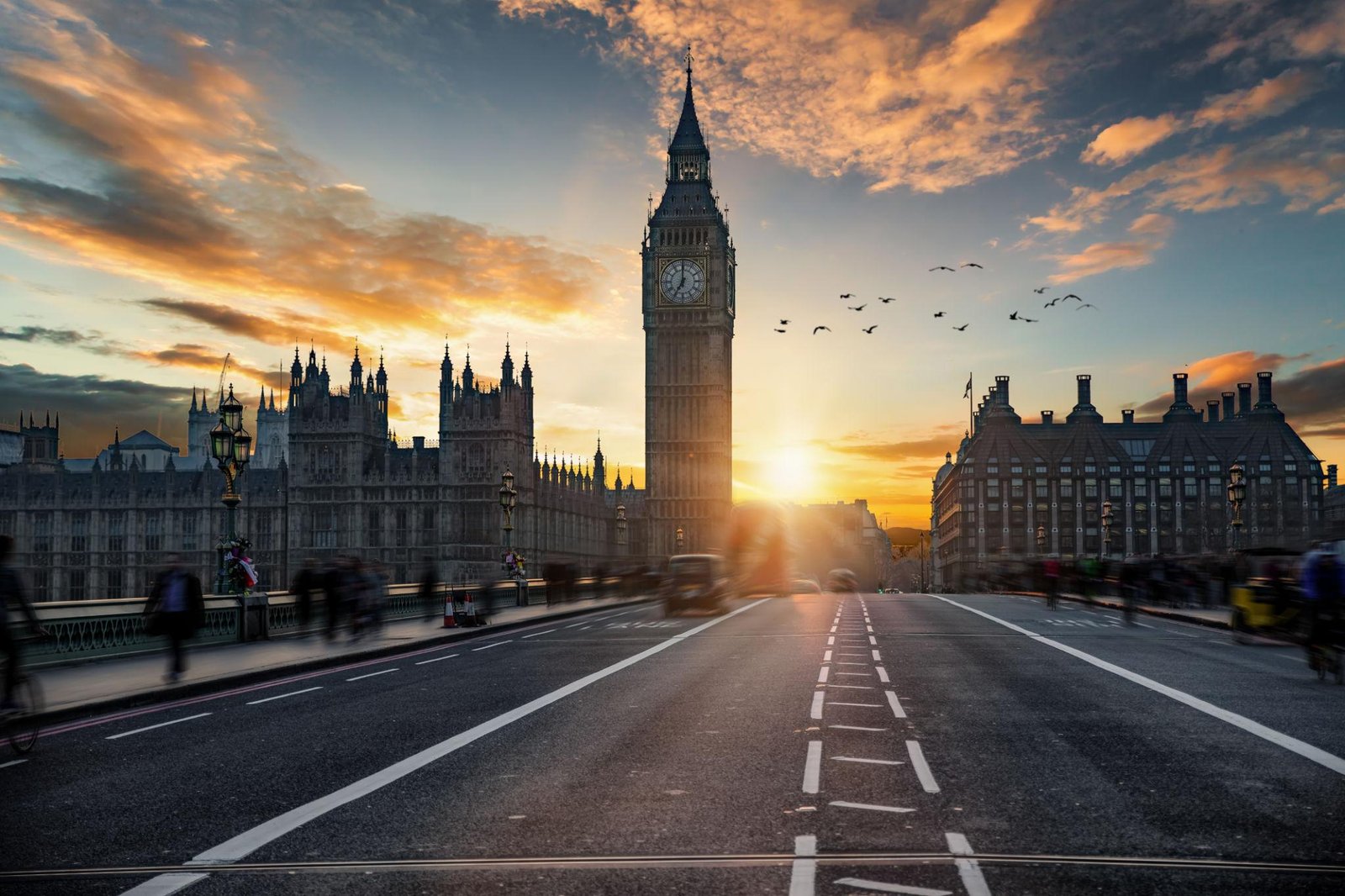
Your first day focuses on London's most famous landmarks. Nearly every attraction can be reached on foot, making this the ideal introduction to the city while minimizing time spent using public transport.
Morning
- Big Ben
- Westminster Abbey
- Parliament Square
- St James's Park
- Buckingham Palace
Arrive early to avoid crowds around Westminster and Buckingham Palace. If possible, time your visit to watch the Changing of the Guard.
Lunch
Enjoy lunch near Victoria or Westminster before continuing towards the River Thames.
Afternoon
- London Eye
- South Bank
- River Thames walk
- Waterloo Bridge viewpoints
Finish the afternoon with one of London's most scenic riverside walks, offering spectacular views of the city skyline.
Evening
Cross back towards Covent Garden for dinner before enjoying the West End's lively evening atmosphere.
Estimated Walking: 12–15 km
Transport: Minimal
Budget: £80–150 (excluding hotel)
Day 2 — Markets, Covent Garden & London's Best Neighbourhoods
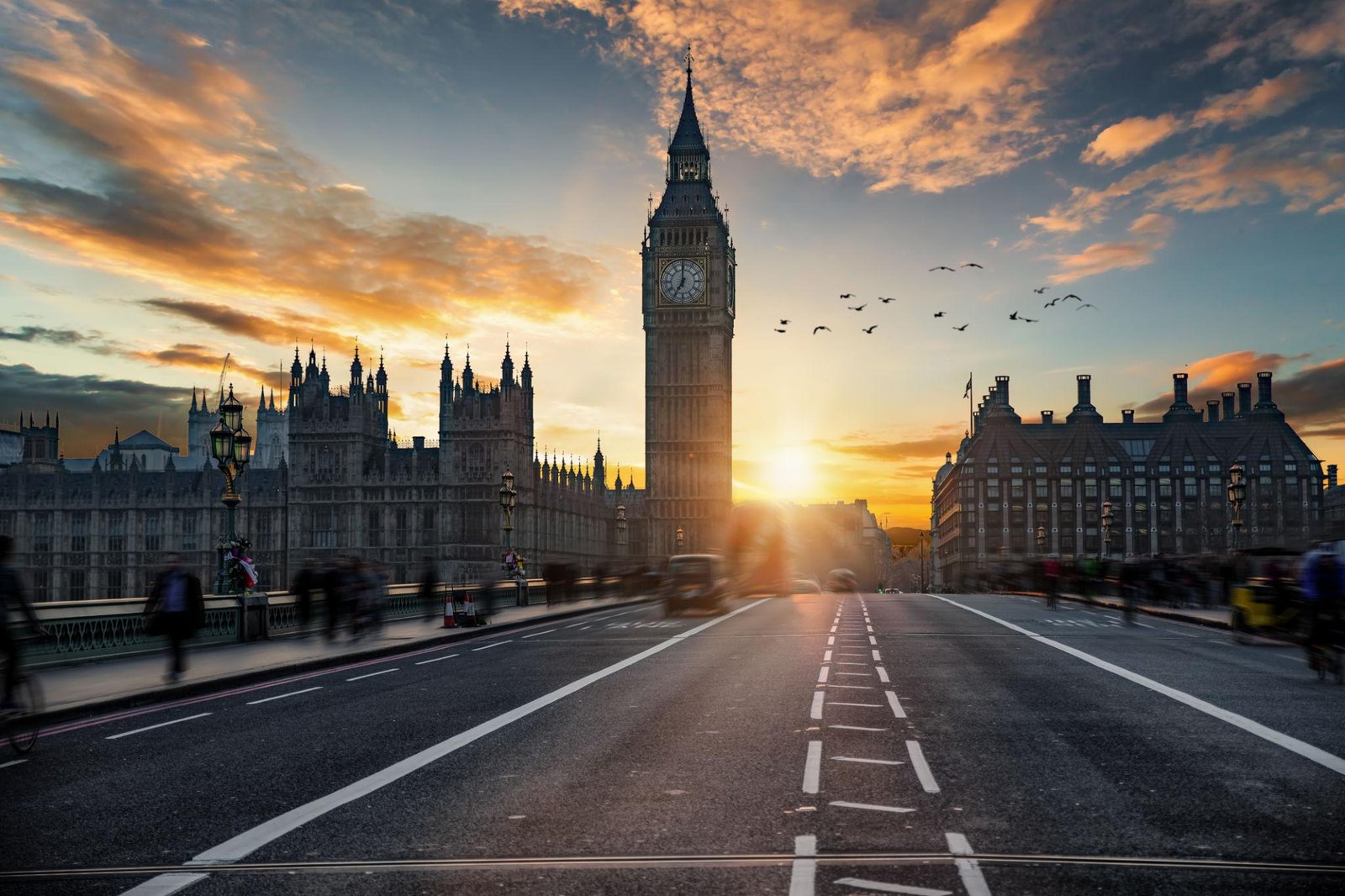
Your second day explores London's famous markets, neighbourhoods, shopping streets and food scene. Most of the day can be completed on foot, allowing you to experience the city's atmosphere while discovering many of its best restaurants and cafés.
Morning
- Borough Market
- Southwark Cathedral
- Millennium Bridge
- St Paul's Cathedral (optional visit)
Arrive at Borough Market early to avoid lunchtime crowds and enjoy one of London's finest selections of international food, artisan bakeries and independent coffee shops.
Lunch
Stay within Borough Market where you'll find excellent street food, traditional British dishes and international cuisine suitable for every budget.
Afternoon
- Covent Garden
- Seven Dials
- Leicester Square
- Piccadilly Circus
- Carnaby Street
Spend the afternoon wandering through Covent Garden's boutiques, street performers and historic market before continuing into Soho's lively shopping streets.
Evening
Finish the day in Soho where you'll find outstanding restaurants, cocktail bars, live music venues and London's famous West End theatre district.
Estimated Walking: 14–16 km
Transport: Low
Budget: £90–170 (excluding hotel)
Day 3 — Museums, Shopping & Hidden London
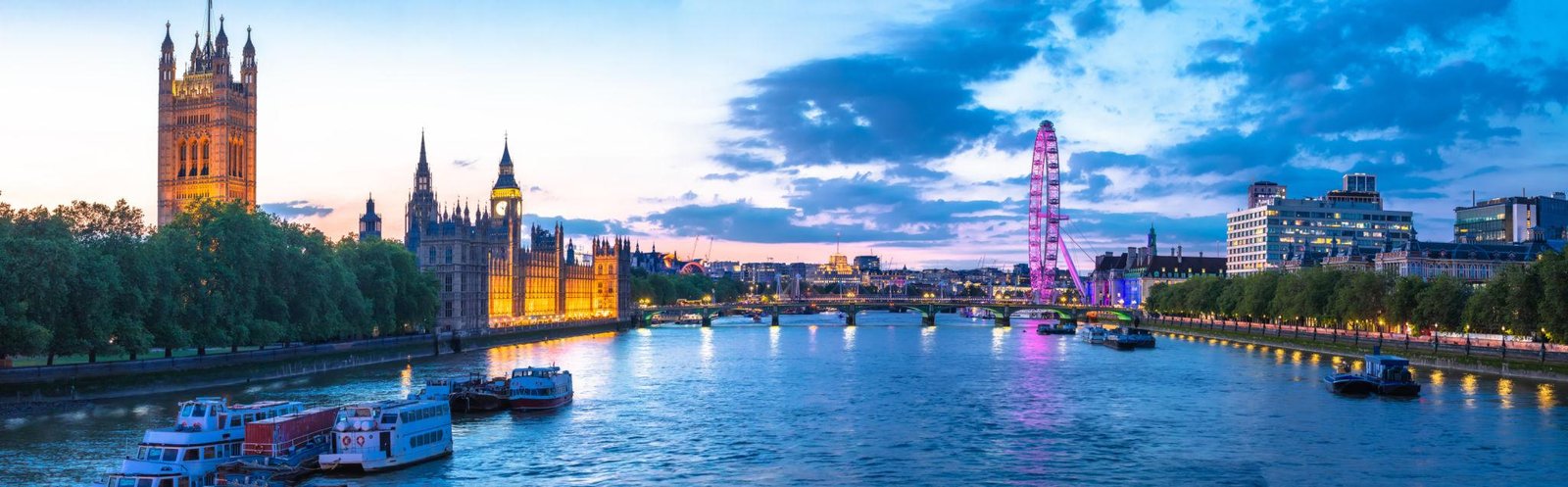
If you have a third day, combine London's world-class museums with elegant shopping districts and quieter neighbourhoods that many visitors never experience.
Morning
- Natural History Museum
- Victoria & Albert Museum
- Science Museum (optional)
These museums are located within walking distance of one another in South Kensington, making them easy to combine during a single morning.
Lunch
Enjoy lunch around South Kensington before continuing towards Hyde Park or Knightsbridge.
Afternoon
- Hyde Park
- Harrods
- Knightsbridge
- Oxford Street
- Regent Street
Visitors interested in shopping can spend additional time around Bond Street and Regent Street, while those preferring quieter sightseeing may enjoy Hyde Park or Kensington Gardens.
Evening
Finish your London trip with dinner overlooking the River Thames or return to Covent Garden for one final evening in the West End.
Estimated Walking: 10–14 km
Transport: Low
Budget: £80–160 (excluding hotel)
Where to Stay for a 2–3 Day London Trip
| Neighbourhood | Best For | Advantages |
|---|---|---|
| Covent Garden | First-time visitors | Walkable attractions and restaurants. |
| Soho | Nightlife | Restaurants, theatres and entertainment. |
| Westminster | Landmarks | Royal attractions and historic sights. |
| Paddington | Airport access | Excellent Heathrow connections. |
| South Bank | Couples | River walks and skyline views. |
Smart Hotel Strategy
Your hotel location has the greatest impact on a short London itinerary. Staying in Covent Garden, Soho or Westminster allows you to walk between many attractions instead of spending valuable sightseeing time on the Underground.
- Choose Covent Garden for first visits.
- Choose Soho for restaurants and nightlife.
- Choose Westminster for landmarks.
- Choose Paddington for Heathrow convenience.
- Reserve hotels 3–5 months ahead.
- Compare hotel prices before booking.
Recommended Restaurants
Breakfast
- Dishoom Covent Garden
- Granger & Co.
- The Wolseley
Lunch
- Borough Market
- Flat Iron
- Seven Dials Market
Dinner
- Soho restaurants
- Covent Garden
- South Bank riverside dining
Afternoon Tea
- The Ritz
- Fortnum & Mason
- Claridge's
Book Before You Travel
- London Eye
- Tower of London
- Sky Garden
- West End theatre tickets
- Afternoon tea
- Airport transfers
- Popular guided tours
🎟️ Reserve London Experiences →
Common Mistakes First-Time Visitors Make
- Trying to visit too many attractions in one day.
- Booking accommodation too far from central London.
- Not reserving popular attractions in advance.
- Ignoring walking distances between attractions.
- Taking taxis instead of using the Underground.
- Skipping free museums.
- Not using a contactless card for transport.
- Planning every minute instead of allowing time to explore.
- Not checking attraction opening hours.
- Booking expensive airport taxis unnecessarily.
- Underestimating London's size.
- Not comparing hotel prices before travelling.
London in Every Season
| Season | What to Expect |
|---|---|
| Spring | Mild temperatures, blooming parks and excellent sightseeing conditions. |
| Summer | Longest days, outdoor events and peak visitor numbers. Reserve hotels and attractions well ahead. |
| Autumn | Comfortable weather, colourful parks and fewer crowds than summer. |
| Winter | Christmas markets, festive lights, theatre shows and seasonal shopping. |
Estimated Daily Budget
| Travel Style | Hotel | Food | Transport | Total Per Day |
|---|---|---|---|---|
| Budget | £90–150 | £30–50 | £10–15 | £130–215 |
| Mid-Range | £180–300 | £60–100 | £10–15 | £250–415 |
| Luxury | £500+ | £120+ | £20+ | £640+ |
Frequently Asked Questions
Is two days enough for London?
Two days is enough to experience London's major landmarks and central neighbourhoods, although you'll need to prioritise the attractions that interest you most.
Is three days enough?
Three days provides a much more relaxed pace, allowing time for museums, shopping, markets and quieter neighbourhoods beyond the main tourist sights.
Where should I stay?
Covent Garden remains our top recommendation for first-time visitors thanks to its central location, excellent transport connections and walkability.
Is London walkable?
Many attractions in central London are surprisingly close together. Combining walking with occasional Underground journeys is the most efficient way to explore the city.
Which attractions should I reserve in advance?
The London Eye, Tower of London, Sky Garden, afternoon tea experiences and popular West End theatre performances should all be booked ahead whenever possible.
Should I buy an Oyster Card?
Most visitors can simply use a contactless bank card or mobile wallet, which offers the same daily fare caps without needing to purchase a separate Oyster Card.
Which airport is best?
Heathrow generally offers the best transport connections to central London via the Elizabeth Line and Heathrow Express.
Is the London Pass worth buying?
It can provide good value if you plan to visit several paid attractions each day, but many of London's best museums are already free.
What should I pack?
Comfortable walking shoes, a lightweight waterproof jacket and a portable power bank are useful throughout the year.
Is London safe for tourists?
London is generally a safe destination. As with any major city, remain aware of your surroundings and keep valuables secure in busy tourist areas and on public transport.
Continue Planning Your London Trip
- Where to Stay in London →
- Best Hotels in London →
- Luxury Hotels →
- Boutique Hotels →
- Cheap Hotels →
- Best Things to Do →
- Nightlife in London →
- Weekend in London →
Plan a Smarter London City Break
A well-planned itinerary allows you to experience far more of London in just two or three days. Stay in a central neighbourhood, reserve major attractions before arrival and compare hotel prices early to secure the best value and spend more time exploring instead of travelling.
Affiliate Disclosure
Some links on WiseChoiceCompare are affiliate links. If you reserve accommodation or purchase travel services through these links, we may earn a commission at no additional cost to you.
Our itinerary recommendations are based on efficient sightseeing routes, walkability, transport convenience, traveller experience, location quality and overall value. Editorial recommendations remain independent and are never influenced by affiliate partnerships.
Opening hours, attraction availability, ticket prices, transport schedules and hotel rates may change. Always verify the latest information with the relevant provider before travelling.