Wise choice compare

Best Time to Visit London (Weather, Crowds & Travel Tips for 2026)

Best Time to Visit London 2026 (Weather, Crowds, Prices & Travel Tips)

Updated for 2026 • Weather • Crowds • Hotel Prices • Seasonal Events • Sightseeing

Best Time to Visit London 2026 (Weather, Crowds, Prices & Travel Tips)

Wondering when to visit London? The best time depends on what matters most to you — comfortable sightseeing weather, smaller crowds, lower hotel prices, longer daylight hours or London's seasonal atmosphere.

London is a year-round destination. For a strong overall balance, April–June and September–October are particularly attractive periods for sightseeing, while winter can offer better value and a distinctive festive atmosphere.

The most important booking decision is not simply choosing the “best month.” Your ideal timing should match your priorities, because weather, visitor demand, hotel pricing and seasonal events can change the experience considerably.

First-time London visitor? Your hotel location can matter just as much as the month you choose. A central base can save valuable sightseeing time on a short trip.

See the Best Areas to Stay in London →

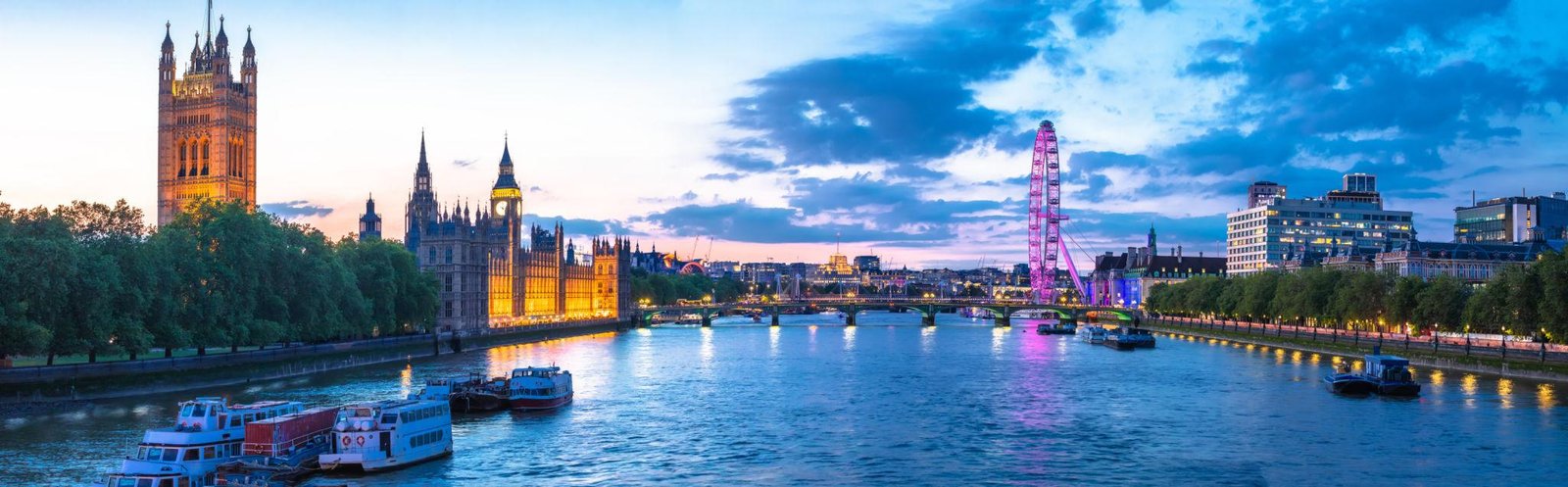
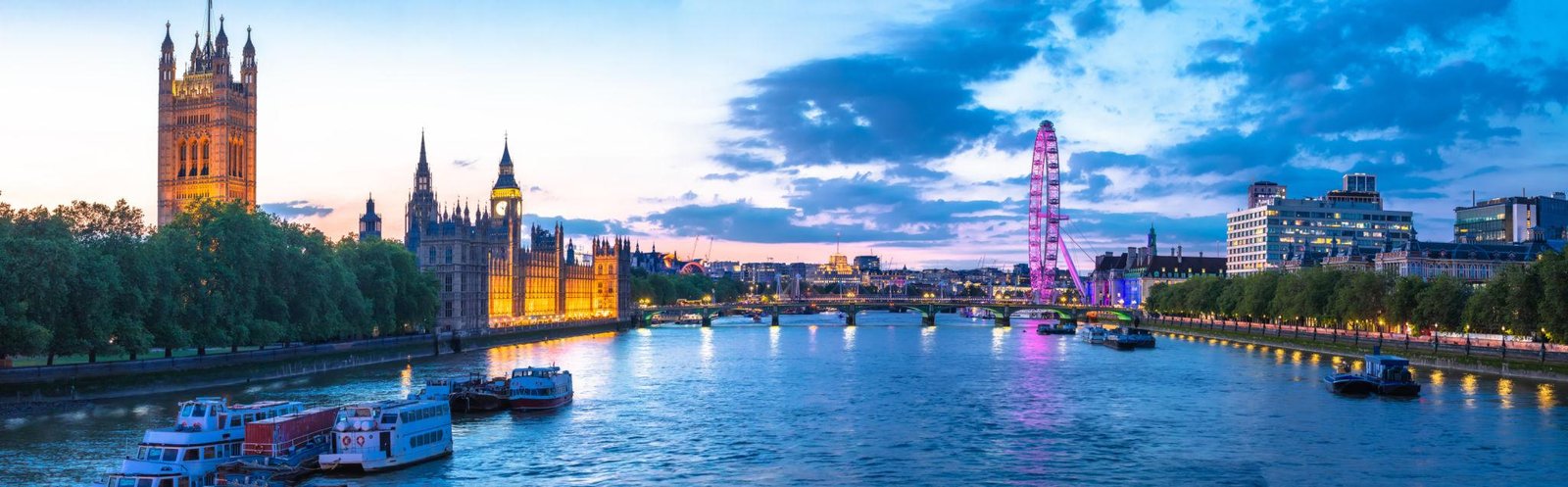
London skyline and seasonal atmosphere

London Travel Essentials

🏨 Hotels
Hotel demand can change significantly with season, holidays and major events. Compare your exact dates before choosing where to stay.

Compare London Hotels →

📶 eSIM
Stay connected for maps, transport, bookings and directions while exploring London.

Get a UK & Europe eSIM →

🎟️ Attractions & tours
Pre-book popular London experiences when dates or entry times matter.

Book London Attractions & Experiences →

🚖 Airport transfer
Useful when you want a simpler arrival, particularly with luggage.

Arrange an Airport Transfer →

🚗 Car rental
Usually unnecessary for central London, but useful if your trip continues beyond the city.

Compare Car Rental Options →

🛡️ Travel insurance
Compare cover for eligible medical expenses, cancellations and other travel risks.

Compare Travel Insurance →

✈️ Flight cancellation compensation
If your flight has been delayed, cancelled or overbooked, you may be eligible to claim compensation under applicable passenger-rights rules.

Check Compensation Eligibility →

🏨 Ready to compare?

Compare London Hotels →

Quick Answer: What Is the Best Time to Visit London?

Best Overall — April–June & September–October

These periods offer a strong balance of sightseeing conditions, daylight, seasonal atmosphere and generally more manageable crowds than the busiest summer periods.

Best for Lower Crowds — September–October

A strong choice if you prefer cooler conditions and a less intense visitor environment than peak summer.

Best for Lower Hotel Prices — January–February

Winter can provide better accommodation value, although colder, shorter days make it less attractive for travellers prioritising outdoor sightseeing.

Best for Long Days & Events — June–August

Summer provides longer daylight hours and a busy calendar of outdoor activities, but it is also generally a higher-demand period.

Best for Christmas Atmosphere — December

December is ideal for festive lights, seasonal shopping and Christmas atmosphere, but popular dates can increase hotel demand.

WiseChoice decision rule

Choose your month based on your priority first. If comfortable sightseeing and manageable crowds matter most, start with spring or early autumn. If price matters most, compare winter dates. If Christmas atmosphere is the goal, December is the obvious choice.

Compare London Hotel Prices for Your Dates →

London by Season

Spring — March to May

Spring is one of the strongest periods for a London sightseeing trip. Parks become more attractive, temperatures are generally more comfortable than winter and visitor demand can be more manageable than during peak summer.

Best for: Comfortable sightseeing, parks, walking tours and photography.

Watch for: Changeable weather, so layers and rain protection remain useful.

Summer — June to August

Summer is London at its busiest. Longer daylight hours make it excellent for outdoor sightseeing, parks and evening activities, but popular attractions and central hotels can experience stronger demand.

Best for: Outdoor events, longer days, festivals and travellers who want maximum daylight for sightseeing.

Booking consideration: Summer and major-event periods can produce stronger hotel demand. Compare availability early rather than waiting for the last minute.

Autumn — September to November

Early autumn can be an excellent compromise for visitors who want cooler conditions and a more manageable sightseeing experience than peak summer.

Best for: Lower crowds, cooler temperatures, photography and comfortable city exploration.

Best window: September and October are particularly attractive when sightseeing comfort is more important than winter pricing.

Winter — December to February

Winter gives London a very different atmosphere. December is particularly appealing for Christmas lights and seasonal shopping, while January and February can be attractive to travellers prioritising accommodation value.

Best for: Christmas atmosphere, winter shopping, seasonal events and potentially lower hotel demand outside the holidays.

Watch for: Shorter daylight hours and colder conditions can reduce the time available for outdoor sightseeing.

Hotel prices change with demand

The “best” month is not automatically the cheapest month. Compare your exact dates because weekends, holidays, events and seasonal demand can all affect hotel availability and pricing.

Check London Hotel Prices for Your Dates →

Best Time to Visit London for Different Travel Styles

First-Time Visitors — April to June

A strong balance for travellers who want to spend much of their trip sightseeing and walking around central London.

Lower Crowds — September to October

A useful choice for travellers who prefer cooler conditions and a less intense visitor environment.

Christmas Atmosphere — December

Choose December when festive lights, seasonal shopping and Christmas atmosphere are central to the trip.

Lower Hotel Prices — January to February

Potentially attractive for value-focused travellers who are comfortable with colder weather and shorter days.

Outdoor Events & Long Days — June to August

Best suited to travellers who value daylight, outdoor activities and a busy summer atmosphere more than lower demand.

How Weather Affects a London Trip

London weather can change quickly, so the best month depends partly on how much outdoor sightseeing you plan to do. Even during the stronger spring and autumn windows, carrying a light rain layer and dressing in layers is sensible.

If walking is your priority:

Spring and early autumn are particularly attractive because comfortable temperatures can make long sightseeing days easier.

If outdoor events are your priority:

Summer offers the longest daylight hours and a busy calendar, but demand for accommodation can also be stronger.

If indoor attractions are your priority:

Winter can work well because museums, galleries, theatres and restaurants provide plenty of alternatives when conditions are less suitable for outdoor sightseeing.

If you want Christmas atmosphere:

December is the obvious choice, but compare hotel availability early around popular festive dates.

London Hotel Prices by Season

Hotel prices are driven by demand rather than the calendar alone. Summer, Christmas and major-event periods can be expensive, while January and February can offer more opportunities for value.

Peak-demand periods: Expect stronger competition for well-located central hotels and book earlier when your dates are fixed.

Shoulder periods: Spring and autumn can provide a useful balance between sightseeing conditions and demand.

Lower-demand winter: January and February can be worth checking when accommodation value is your primary concern.

Do not book based on a seasonal average alone.

The price that matters is the actual total for your dates, room type and cancellation conditions.

Compare London Hotel Prices →

10 Common Mistakes When Choosing When to Visit London

1. Choosing a month based only on weather. Your preferred sightseeing style, hotel budget and tolerance for crowds matter too.

2. Assuming summer is automatically the best time. Longer days are attractive, but summer can also mean higher demand and busier attractions.

3. Ignoring hotel demand. The most comfortable travel period may not provide the cheapest accommodation.

4. Booking before checking major events. Events can increase demand and change the normal pricing pattern for your dates.

5. Forgetting that weekends can differ from weekdays. Hotel demand can vary substantially within the same month.

6. Planning an outdoor-heavy itinerary in the darkest months. Shorter daylight hours can affect how much sightseeing you comfortably fit into each day.

7. Packing for one weather scenario. London conditions can change, so layers and rain protection are useful throughout the year.

8. Waiting too long to book a popular season. Even if you have flexibility, compare availability early so you can see the full range of suitable hotels.

9. Choosing a cheaper month without checking your priorities. A lower hotel rate is less valuable if the weather or daylight does not suit the type of trip you want.

10. Treating “best time” as a universal answer. The best month for a Christmas trip, budget trip and first-time sightseeing trip can be completely different.

Smart London Trip Planning Strategy

Once you have selected your preferred travel period, make the hotel decision around the same priorities. This creates a better connection between the timing of your trip and the cost and convenience of your stay.

Step 1 — Choose your travel window. Decide whether weather, crowds, price, daylight or seasonal atmosphere is the dominant factor.

Step 2 — Check hotel availability. Compare actual prices for your dates rather than relying on general seasonal assumptions.

Step 3 — Choose the right neighbourhood. For short sightseeing trips, a central location can be worth prioritising because it reduces daily travel time.

Step 4 — Compare the exact room. Check occupancy, bed configuration, room size and cancellation conditions.

Step 5 — Book the strongest overall value. Balance the hotel price against location, convenience, room suitability and flexibility.

Ready to plan around your dates?

Compare London hotels for your exact travel period before committing to a neighbourhood or property.

Compare London Hotels →

Frequently Asked Questions

What is the best month to visit London?

There is no single best month for every traveller. April–June and September–October are strong overall choices for sightseeing, while January–February can appeal to value-focused travellers and December is best for festive atmosphere.

What is the best time to visit London for good weather?

Spring and early autumn are generally strong choices for comfortable sightseeing conditions, although London weather remains changeable throughout the year.

When is London least crowded?

September and October can provide a more manageable experience than peak summer. Crowd levels also vary by attraction, weekday and event calendar.

When are London hotels cheapest?

January and February can offer better value than peak travel periods, but actual prices depend on dates, hotel demand and events.

Is summer a good time to visit London?

Yes, especially if you value long daylight hours and outdoor activities. The trade-off is that summer can bring higher demand, busier attractions and higher hotel prices.

Is December a good time to visit London?

December is excellent for visitors who want Christmas lights, festive shopping and seasonal atmosphere. Accommodation demand can be higher around popular holiday dates.

How many days do I need in London?

Two or three days can provide a useful introduction, while longer stays allow more neighbourhoods, museums and day trips to be included without rushing.

Where should I stay in London for a first visit?

Covent Garden is our best overall starting point for first-time visitors because of its central location, walkability, restaurants, theatres and access to major attractions.

Editor’s Recommendation

Best overall travel window: April–June or September–October

For most travellers, these periods provide the best balance between sightseeing comfort, daylight, seasonal atmosphere and manageable visitor demand.

If hotel value is the priority, compare January–February dates. If Christmas is the purpose of your trip, choose December. If long daylight and outdoor events matter most, summer may be worth the additional demand and cost.

Continue Planning Your London Trip

Turn your travel dates into a booking decision

Once you have chosen your preferred travel window, compare the hotels available for those exact dates. Check location, room type, cancellation conditions and total price before booking.

Compare London Hotels →

London Travel Essentials

🏨 Hotels
Compare current London hotel availability and prices for your exact travel dates.

Compare London Hotels →

📶 eSIM
Stay connected for maps, transport, bookings and directions.

Get a UK & Europe eSIM →

🎟️ Attractions & tours
Book popular London attractions and experiences when dates or entry times matter.

Book London Attractions & Experiences →

🚖 Airport transfer
Arrange a convenient transfer when you prefer door-to-door airport transportation.

Arrange an Airport Transfer →

🚗 Car rental
Usually unnecessary for central London, but useful if your trip continues beyond the city.

Compare Car Rental Options →

🛡️ Travel insurance
Compare cover for eligible medical expenses, cancellations and other travel risks.

Compare Travel Insurance →

✈️ Flight cancellation compensation
If your flight has been delayed, cancelled or overbooked, you may be eligible to claim compensation under applicable passenger-rights rules.

Check Compensation Eligibility →

🏨 Compare before you book

Compare London Hotels →

Affiliate Disclosure: WiseChoiceCompare may earn a commission when you book accommodation or purchase travel services through links on this page, at no additional cost to you. Our recommendations are designed to help you make a more informed travel decision before booking.

Scroll to Top