Wise choice compare

Best-Places-to-Visit-in-Europe

Best Places to Visit in Europe (Top Destinations for 2026)

Updated for 2026 travel planning

Planning a trip to Europe in 2026? The best European destinations combine memorable sights, convenient transport, distinctive food, walkable neighbourhoods and accommodation that makes the trip easierβ€”not more expensive than it needs to be.

This guide compares the best places to visit in Europe for 2026, from first-time favourites such as Paris, Rome and London to scenic escapes in the Swiss Alps, Croatian coast and Nordic capitals. Use the guide to choose the right destination for your travel style, then plan hotels, transport and other essentials around it.

Best places to visit in Europe in 2026

Quick Answer: Where Should You Go in Europe?

For a first European trip, Paris, Rome, London, Amsterdam, Barcelona, Vienna and Prague are among the easiest destinations to build around. For scenery, consider the Swiss Alps, Iceland, Lake Como or the Amalfi Coast. For food, Florence, Rome, Lisbon and Barcelona are particularly strong choices.

Best overall strategy: choose your destination first, then choose the neighbourhood and hotel location before comparing room prices.

Editor’s Recommendation

For most travellers, the strongest European destination depends less on finding a single β€œbest” city and more on matching the destination to the type of trip you want. Paris is an excellent all-round first choice, while Rome is ideal for history and food, Barcelona for nightlife and architecture, Florence for art and food, and the Swiss Alps for scenery and outdoor experiences.

If this is your first trip to Europe, avoid trying to cover too many countries in one itinerary. Two or three well-connected destinations usually produce a better experience than rushing through five or six.

How We Choose the Best Places to Visit in Europe

WiseChoiceCompare evaluates destinations using practical travel factors rather than popularity alone:

  • Overall experience: major sights, atmosphere and things to do.
  • Location and walkability: how easy it is to explore without excessive travel time.
  • Transport: airports, trains, metro systems and connections to nearby destinations.
  • Value: accommodation, food and daily travel costs relative to the experience.
  • Traveller fit: whether the destination works particularly well for couples, families, solo travellers, food lovers or first-time visitors.
  • Booking practicality: whether travellers can reasonably plan hotels, transport and activities in advance.

Best European Destinations at a Glance

Travel GoalBest DestinationWhy
First European tripParisIconic sights, food, museums and excellent transport
HistoryRomeAncient landmarks, museums and historic neighbourhoods
RomanceVeniceCanals, atmosphere and distinctive architecture
NatureSwiss AlpsMountain scenery, hiking and alpine rail journeys
Budget-friendly city breakPragueHistoric centre, attractions and comparatively good value
Food and artFlorenceRenaissance art, Tuscan food and compact centre
NightlifeBarcelonaBars, clubs, architecture and Mediterranean atmosphere

Plan your accommodation before your itinerary gets complicated.

Once you know your destination, compare hotels by location, walkability and transport access before simply choosing the lowest nightly rate.

🏨 Compare Europe Hotels β†’

1. Paris, France β€” Best Overall for a First Trip

Paris remains one of the easiest European cities to recommend for a first trip. The combination of major landmarks, museums, neighbourhoods, restaurants and public transport makes it possible to build very different types of holidays around the same destination.

Best for: first-time visitors, couples, food lovers, museums and culture.

Top experiences: Eiffel Tower, Louvre, Notre-Dame area, Montmartre, Seine walks and classic Parisian neighbourhoods.

For accommodation, location matters enormously. Staying close to a useful Metro station can save substantial time over several days.

🏨 Compare Hotels in Paris β†’

Read the Paris Travel Guide β†’

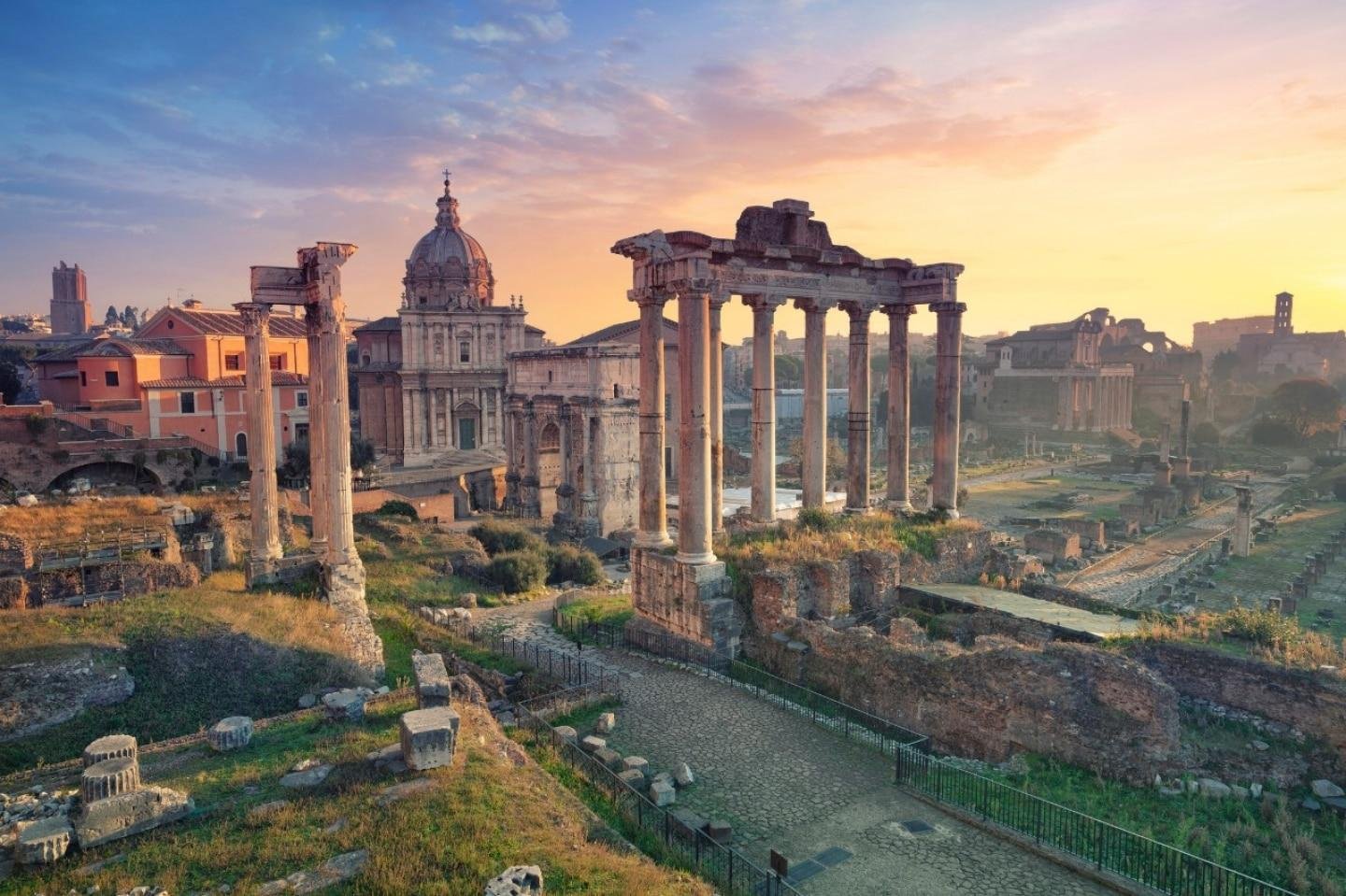
2. Rome, Italy β€” Best for History and Food

Rome is one of Europe's strongest destinations for travellers who want history, architecture and food in the same trip. Ancient landmarks sit alongside lively neighbourhoods, piazzas and restaurants.

Best for: history, food, couples, families and first-time Italy visitors.

Top experiences: Colosseum, Roman Forum, Pantheon, Trevi Fountain, Vatican City and Trastevere.

Rome rewards travellers who stay reasonably central. A well-positioned hotel can make walking between major sights much easier.

🏨 Compare Hotels in Rome β†’

Read the Rome Travel Guide β†’

3. Swiss Alps β€” Best for Mountain Scenery

The Swiss Alps are a natural choice when scenery is the priority. Visitors can combine mountain railways, lakes, hiking, villages and panoramic viewpoints without needing to follow a traditional city-break itinerary.

Best for: nature, hiking, scenic rail journeys, couples and outdoor travellers.

Top bases: Interlaken, Zermatt and Lucerne.

Accommodation costs can vary substantially by location and season, so compare the practical value of staying close to stations and major transport connections.

🏨 Compare Interlaken Hotels β†’

🏨 Compare Zermatt Hotels β†’

4. Lake Como, Italy β€” Best for Lakeside Escapes

Lake Como combines dramatic alpine scenery with elegant lakeside towns, villas and boat connections. It is particularly attractive for couples and travellers looking for a slower European itinerary.

Best for: couples, scenery, relaxation and luxury travel.

Planning tip: decide whether you want a quieter lakeside base or easier access to transport before choosing your hotel.

5. Amalfi Coast, Italy β€” Best for Coastal Scenery

The Amalfi Coast is one of Europe's most visually impressive coastal destinations, with cliffside towns, sea views and Mediterranean food. It works particularly well for travellers who value scenery and atmosphere over a fast-paced sightseeing schedule.

Best for: couples, photography, food and scenic holidays.

Planning tip: transport logistics matter. Choose your base carefully because road travel can take longer than distances on a map suggest.

6. Santorini, Greece β€” Best for Island Views

Santorini is known for caldera views, whitewashed architecture, sunsets and distinctive volcanic landscapes. It is especially popular for romantic trips and short luxury-focused stays.

Best for: couples, scenery, sunsets and special occasions.

Planning tip: compare accommodation locations carefully because the famous caldera-view areas can command a significant premium.

7. Dubrovnik, Croatia β€” Best for Historic Coastal Travel

Dubrovnik combines a remarkably preserved historic core with Adriatic scenery. Its compact old town makes it easy to explore on foot, while nearby coastal experiences provide a useful contrast.

Best for: history, couples, coastal scenery and short breaks.

🏨 Compare Hotels in Dubrovnik β†’

8. Interlaken, Switzerland β€” Best Alpine Base

Interlaken is a practical base for exploring the Swiss Alps. Its transport connections make it particularly useful for travellers who want mountain experiences without changing hotels every night.

Best for: hiking, families, outdoor activities and scenic rail travel.

🏨 Compare Hotels in Interlaken β†’

9. Zermatt, Switzerland β€” Best for Iconic Mountain Scenery

Zermatt is an excellent choice when the mountain experience itself is the centrepiece of the trip. The destination is strongly associated with the Matterhorn and offers hiking, alpine views and winter sports.

Best for: mountain scenery, skiing, hiking and couples.

🏨 Compare Hotels in Zermatt β†’

10. Hallstatt, Austria β€” Best for a Scenic Village Escape

Hallstatt is one of Austria's most recognisable destinations, combining a lakeside setting with mountain scenery and a compact historic village. It is best suited to travellers who want atmosphere and scenery rather than a large-city experience.

Best for: scenery, photography, couples and short stays.

11. Porto, Portugal β€” Best for Food and Value

Porto offers a strong combination of historic architecture, riverside atmosphere, Portuguese food and comparatively approachable city-break planning. It also works well as part of a wider Portugal itinerary.

Best for: food, couples, culture and value-conscious travellers.

🏨 Compare Hotels in Porto β†’

12. Bruges, Belgium β€” Best for a Romantic Historic Break

Bruges is compact, atmospheric and easy to explore on foot. Canals, medieval architecture and a slower pace make it particularly appealing for couples and short European breaks.

Best for: romance, photography, architecture and weekend trips.

13. London, England β€” Best for Major-City Variety

London is one of Europe's most versatile destinations, offering museums, historic landmarks, neighbourhoods, restaurants, theatre and an extensive public transport network.

Best for: first-time visitors, families, museums, food and longer city breaks.

🏨 Compare Hotels in London β†’

Read the London Travel Guide β†’

14. Barcelona, Spain β€” Best for Architecture, Beaches and Nightlife

Barcelona combines GaudΓ­ architecture, Mediterranean beaches, neighbourhood restaurants and a strong nightlife scene. It is particularly useful for travellers who want both sightseeing and a lively evening atmosphere.

Best for: nightlife, architecture, food, couples and younger travellers.

🏨 Compare Hotels in Barcelona β†’

15. Amsterdam, Netherlands β€” Best for Canals and Easy City Exploring

Amsterdam combines canals, museums, historic streets and a compact urban layout. It is one of Europe's easiest cities to explore without relying heavily on taxis.

Best for: first-time visitors, couples, museums and short city breaks.

🏨 Compare Hotels in Amsterdam β†’

16. Lisbon, Portugal β€” Best for a Relaxed City Break

Lisbon offers historic neighbourhoods, viewpoints, Portuguese food and easy access to nearby coastal destinations. Its hills mean that hotel location can have a surprisingly large effect on the experience.

Best for: food, couples, culture and longer weekend trips.

🏨 Compare Hotels in Lisbon β†’

17. Vienna, Austria β€” Best for Culture and Architecture

Vienna is particularly strong for travellers interested in imperial architecture, museums, classical music, cafΓ©s and an organised urban transport system.

Best for: culture, history, couples, families and winter travel.

🏨 Compare Hotels in Vienna β†’

18. Budapest, Hungary β€” Best for Value and Thermal Baths

Budapest combines grand architecture, the Danube, thermal baths, cafΓ©s and nightlife with a reputation for comparatively strong city-break value.

Best for: budget-conscious travellers, couples, nightlife and wellness.

🏨 Compare Hotels in Budapest β†’

19. Florence, Italy β€” Best for Art and Food

Florence is compact, highly walkable and exceptionally rich in Renaissance art and architecture. It is one of the easiest Italian cities to experience without needing a car.

Best for: art, food, couples, culture and short breaks.

🏨 Compare Hotels in Florence β†’

20. Prague, Czech Republic β€” Best for Value and Old-World Atmosphere

Prague is one of Europe's strongest choices for travellers looking for historic architecture, a compact centre and a city break that can offer good value when accommodation is chosen carefully.

Best for: budget-conscious travellers, couples, architecture and weekend trips.

🏨 Compare Hotels in Prague β†’

21. Copenhagen, Denmark β€” Best for Design and Modern City Travel

Copenhagen combines Scandinavian design, food, waterfront areas and an efficient urban environment. It is particularly appealing to travellers who enjoy cycling, architecture and contemporary culture.

Best for: design, food, couples and short city breaks.

🏨 Compare Hotels in Copenhagen β†’

22. Stockholm, Sweden β€” Best for Islands and Nordic Culture

Stockholm spreads across islands and waterways, creating a distinctive combination of historic districts, museums, waterfront scenery and modern Nordic culture.

Best for: culture, design, couples and Nordic city breaks.

🏨 Compare Hotels in Stockholm β†’

23. Oslo, Norway β€” Best for City-and-Nature Trips

Oslo is a strong option for travellers who want museums and urban attractions alongside easy access to forests, fjords and outdoor experiences.

Best for: nature, museums, families and active travellers.

🏨 Compare Hotels in Oslo β†’

24. Helsinki, Finland β€” Best for Nordic Design and a Calm City Break

Helsinki offers a more relaxed urban experience, with Nordic design, architecture, food and easy access to waterfront areas and nearby islands.

Best for: design, culture, couples and slower-paced city breaks.

🏨 Compare Hotels in Helsinki β†’

25. Reykjavik, Iceland β€” Best for Nature-Focused Trips

Reykjavik works especially well as a base for exploring Iceland's landscapes. The city itself provides restaurants, cafΓ©s and cultural attractions, while the surrounding country delivers the major natural experiences.

Best for: nature, road trips, outdoor travellers and Northern European adventures.

🏨 Compare Hotels in Reykjavik β†’

How to Choose the Right European Destination

Use your travel priorities to narrow the list rather than trying to visit everywhere in one trip.

If You Want...Consider...
Iconic landmarksParis, Rome, London
RomanceVenice, Paris, Santorini, Lake Como
FoodRome, Florence, Lisbon, Porto, Barcelona
NatureSwiss Alps, Iceland, Norway
Budget-conscious travelPrague, Budapest, Porto
NightlifeBarcelona, Budapest, Amsterdam
Art and cultureFlorence, Paris, Vienna, Amsterdam
Family travelLondon, Paris, Rome, Amsterdam

Smart Europe Booking Strategy

1. Choose the city before the hotel. Decide which destinations genuinely fit your trip before comparing accommodation.

2. Choose the neighbourhood before the price. A slightly more expensive hotel in a central, well-connected area can save time and transport costs.

3. Compare total trip value. Consider room price, transport, breakfast, airport access and walking distanceβ€”not just the advertised nightly rate.

4. Check the transport map. A hotel near a major rail, Metro or tram connection can make a significant difference on a multi-day trip.

5. Book the high-demand elements first. Popular hotels, peak-season accommodation and major attractions can become harder to secure as travel dates approach.

Best Time to Visit Europe

There is no single best month for every European destination. Your ideal timing depends on weather, crowds, prices and the experiences you want.

SeasonBest ForConsider
SpringCity breaks, gardens, sightseeingChangeable weather in some destinations
SummerBeaches, Alps, long daysHigher demand and prices in popular destinations
AutumnFood, culture, city breaksShorter days later in the season
WinterChristmas markets, skiing, museumsCold weather and limited daylight in northern Europe

Best European Destinations by Travel Style

Best for First-Time Visitors

Paris, Rome, London, Amsterdam, Barcelona, Vienna and Prague are strong choices for a first European trip because they offer major attractions, established transport networks and plenty of accommodation options.

Best for Couples

Paris, Venice, Santorini, Lake Como, Florence and Dubrovnik offer a strong combination of scenery, atmosphere, food and memorable experiences.

Best for Families

London, Paris, Rome, Amsterdam and Copenhagen provide a useful mix of attractions, museums, public transport and activities suitable for different ages.

Best for Food Lovers

Rome, Florence, Barcelona, Lisbon and Porto are excellent choices for travellers who want the food itself to be an important part of the trip.

Best for Nature

Swiss Alps, Iceland and Norway are better choices when landscapes, hiking and outdoor experiences matter more than traditional sightseeing.

Best for Budget-Conscious Travellers

Prague, Budapest and Porto can offer particularly strong value, although accommodation prices vary considerably by season and location.

Hotel strategy that can save more than chasing the cheapest room:

Compare properties in the neighbourhoods that put you close to the sights and transport you actually plan to use. A central location can reduce daily walking time and transport costs.

🏨 Compare Europe Hotels β†’

15 Common Europe Travel Booking Mistakes

  1. Choosing the cheapest hotel without checking its location. A low nightly rate can become poor value if you spend heavily on transport.
  2. Booking before deciding your itinerary. Your hotel should support the places you actually want to visit.
  3. Underestimating walking distances. European city centres can look compact on a map but still involve substantial walking.
  4. Ignoring public transport access. A nearby Metro, tram or rail station can make a major difference.
  5. Booking peak dates too late. Popular destinations can become considerably more expensive during high-demand periods.
  6. Assuming central always means best. Some travellers may prefer a quieter neighbourhood with excellent transport.
  7. Not checking cancellation conditions. Flexible bookings can be useful when plans may change.
  8. Comparing only the room rate. Consider breakfast, taxes, resort charges and other applicable costs.
  9. Trying to visit too many cities. Constantly changing hotels can consume valuable holiday time.
  10. Forgetting airport transfer time. The cheapest hotel is not necessarily convenient for an early flight.
  11. Choosing a hotel without checking the surrounding area. Look at the neighbourhood and its transport connections before booking.
  12. Ignoring seasonal demand. Prices and availability can change substantially between seasons.
  13. Booking every activity at the last minute. Popular attractions can have limited availability.
  14. Failing to build buffer time into multi-city itineraries. Delays can make tightly connected plans stressful.
  15. Focusing on price instead of total trip value. The right location can make a moderately priced hotel a better overall choice.

Europe Booking Checklist

  • Choose your destination and travel dates.
  • Decide which sights and neighbourhoods matter most.
  • Identify the best area to stay.
  • Check walking and public transport connections.
  • Compare hotel options by total value.
  • Review cancellation and payment terms.
  • Check airport and train-station access.
  • Arrange travel insurance before departure.
  • Arrange an eSIM or mobile-data solution if required.
  • Book important attractions and transfers where advance reservations are advisable.

Frequently Asked Questions

What is the best place to visit in Europe for a first trip?

Paris is an excellent all-round choice, while Rome, London, Amsterdam, Barcelona, Vienna and Prague are also strong options depending on your interests.

What are the best cities in Europe for 2026?

Strong choices include Paris, Rome, London, Barcelona, Amsterdam, Lisbon, Vienna, Florence, Prague, Budapest and Copenhagen.

What is the most romantic place in Europe?

Venice and Paris are classic choices, while Lake Como, Santorini, Florence and Dubrovnik offer different types of romantic experiences.

What is the best European destination for food?

Italy is particularly strong, with Rome and Florence offering excellent combinations of food, culture and sightseeing. Barcelona, Lisbon and Porto are also strong choices.

What is the best European destination for families?

London, Paris, Rome and Amsterdam are versatile family choices because they offer major attractions and extensive public transport.

What are the best places in Europe for nature?

The Swiss Alps, Iceland and Norway are among the strongest options for travellers prioritising mountains, landscapes and outdoor activities.

What is the best European city for nightlife?

Barcelona is a strong all-round choice, while Budapest and Amsterdam also offer extensive nightlife options.

What are the best affordable destinations in Europe?

Prague, Budapest and Porto can offer good value, particularly when accommodation is booked in a convenient but not premium location.

How many European cities should I visit on one trip?

For most travellers, two or three well-connected destinations are easier to enjoy than trying to cover a large number of cities.

Should I book hotels before flights?

For popular destinations and high-demand dates, it can be sensible to check accommodation availability and pricing before finalising a tightly constrained itinerary.

Is it better to stay in the city centre?

Not necessarily. The best location is usually the area that provides a good balance of proximity to your main sights, public transport, neighbourhood quality and price.

How early should I book a European hotel?

For peak travel periods and highly popular destinations, booking earlier generally provides more choice. Flexible cancellation terms can provide additional planning flexibility.

What should I look for when choosing a hotel in Europe?

Prioritise location, transport access, walkability, traveller reviews, cancellation conditions and total cost rather than headline room price alone.

What are the best European destinations for couples?

Paris, Venice, Lake Como, Santorini, Florence and Dubrovnik are particularly strong choices for couples.

What are the best European destinations for a weekend?

Paris, Amsterdam, Prague, Lisbon, Porto, Florence, Budapest and Copenhagen can work especially well for shorter breaks.

What is the best time of year to visit Europe?

Spring and autumn can provide a useful balance of sightseeing conditions and demand, while summer is popular for beaches and alpine travel. Winter is particularly attractive for Christmas markets and skiing.

Is Europe expensive to visit?

Costs vary considerably by destination, season and accommodation location. Comparing cities and neighbourhoods before booking can make a meaningful difference to the overall budget.

What is the best way to travel between European cities?

Rail is particularly convenient for many major European city pairs, while flights can make sense for longer distances. Choose based on total journey time, airport access and itinerary convenience.

Do I need travel insurance for Europe?

Travel insurance can help protect against eligible medical, cancellation, interruption and other covered travel costs. Review the policy terms and exclusions before purchasing.

Do I need an eSIM for Europe?

An eSIM can be a convenient way to access mobile data while travelling, particularly for travellers whose existing mobile plan has limited or expensive international roaming.

Should I book airport transfers in advance?

For late arrivals, early departures, families or destinations where airport transport is complicated, arranging a transfer in advance can simplify the arrival process.

What is the biggest mistake when planning a Europe trip?

Trying to do too much. A smaller number of well-connected destinations usually allows more time for sightseeing and less time spent packing, checking out and travelling between hotels.

Travel Essentials for Europe

🏨 Hotels: Compare accommodation by neighbourhood, transport access, walkability and total value.

🏨 Compare Europe Hotels β†’

πŸ“± eSIM: Consider an eSIM if you need convenient mobile data while travelling between European countries.

Check Europe eSIM Options β†’

πŸ›‘οΈ Travel Insurance: Compare coverage before departure, paying attention to medical coverage, cancellation terms, exclusions and limits.

Compare Travel Insurance Options β†’

πŸš• Airport Transfers: Pre-arranged transfers can be useful when arriving late, travelling with luggage or staying outside a major transport hub.

Check Airport Transfer Options β†’

πŸš— Car Rental: For regional trips where a car is useful, compare rental options and local pickup requirements before booking.

Compare Local Car Rental Options β†’

🎟️ Activities: For popular attractions and experiences, compare availability and booking options before travelling.

Explore Europe Activities β†’

WiseChoice Summary

Best overall: Paris

Best for history: Rome

Best for romance: Venice

Best for nature: Swiss Alps

Best for food: Florence

Best for nightlife: Barcelona

Best for value: Prague or Budapest

Best booking principle: choose the location before the price.

Ready to Plan Your Europe Trip?

Choose the destination that best matches your travel style, then build the trip around a convenient hotel location and reliable transport connections.

🏨 Compare Europe Hotels β†’

Continue Planning

Paris Travel Guide β†’

Rome Travel Guide β†’

London Travel Guide β†’

Barcelona Travel Guide β†’

Amsterdam Travel Guide β†’

Lisbon Travel Guide β†’

Vienna Travel Guide β†’

Prague Travel Guide β†’

Explore the Europe Travel Planning Checklist β†’


Affiliate Disclosure: WiseChoiceCompare may earn a commission when you book or purchase through selected links on this page. This does not change the price you pay. Our recommendations are based on practical travel considerations and are not influenced by affiliate compensation.

Scroll to Top