London Travel Guide 2026 (Where to Stay, What to Do & Smart Travel Tips)
Updated for 2026 • Canonical Guide • First-Time Visitors • Hotels • Attractions • Transportation • Local Planning Advice
London is one of the world's greatest capital cities, offering an extraordinary blend of royal history, world-famous landmarks, vibrant neighbourhoods, exceptional museums, diverse cuisine and unforgettable cultural experiences. Whether you're planning your first visit or returning to discover more of the city, London rewards careful planning more than almost any other European destination.
Unlike many capitals, London is vast. Each neighbourhood has its own character, attractions and atmosphere, while travelling between districts can take longer than many visitors expect. Choosing the right area to stay, understanding London's transport system and booking major attractions in advance will dramatically improve your trip while helping you avoid unnecessary expense and wasted time.
From watching the Changing of the Guard at Buckingham Palace and exploring the Tower of London to discovering Covent Garden, Soho, Kensington, Borough Market and the River Thames, every part of London offers something unique. This comprehensive guide brings together everything you need to plan a successful visit, including where to stay, what to see, how to get around, budgeting advice, hotel recommendations and practical travel tips.
Editor's Recommendation
For most first-time visitors, Covent Garden remains London's best overall location. You'll be within walking distance of Trafalgar Square, Leicester Square, Soho, the West End, the River Thames and numerous Underground stations, making sightseeing remarkably convenient.
Couples often prefer Soho or South Bank, luxury travellers should consider Mayfair, while families usually enjoy the quieter museums and parks surrounding Kensington.
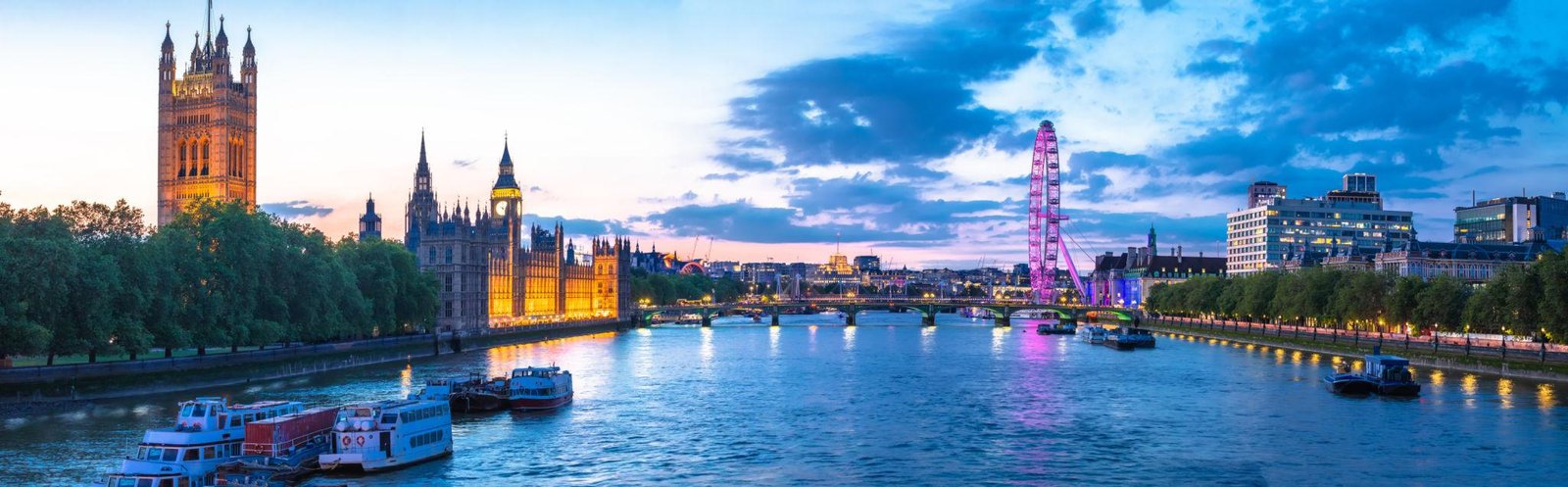
Travel Essentials
Hotels in London
Compare hotels by neighbourhood, price, location, room type and availability before booking.
UK eSIM
Stay connected for maps, transport, bookings and travel information without relying on expensive roaming.
London Attractions & Tours
Pre-book major London experiences when dates, timed entry or availability matter.
Airport Transfers
Useful when arriving with luggage or when you prefer a pre-arranged door-to-door transfer.
Car Rental
A car is generally unnecessary for central London, but rental can be useful if London is part of a wider road trip.
Travel Insurance
Compare coverage for medical expenses, cancellations and other eligible travel risks before departure.
Flight Cancellation & Delay Compensation
If your flight has been delayed, cancelled or overbooked, you may be eligible to claim compensation under applicable passenger-rights rules.
Check Compensation Eligibility →
Ready to Compare London Hotels?
Quick Answer: London at a Glance
WiseChoice decision rule:
Choose the London neighbourhood based on where you expect to spend most of your time. Then compare hotels within that area. A slightly more expensive hotel in the right location can deliver better overall value than a cheaper hotel that requires repeated Tube journeys.
Smart Booking Strategy: Choose Location Before Price
Before comparing room prices, decide which London area best fits your trip. This prevents the common mistake of booking the cheapest attractive-looking hotel and then spending extra time and money travelling across the city.
1. Identify your priority. Sightseeing, nightlife, family attractions, luxury shopping, airport access and business travel point toward different areas.
2. Stay as central as your budget reasonably allows. For a short London trip, saving money on a distant hotel can cost valuable sightseeing time.
3. Compare total value, not headline price. Consider transport time, room size, cancellation terms, included services and the convenience of the location.
4. Check the exact room and cancellation conditions before paying. A low headline rate is less useful if the room is too small or the booking becomes expensive to change.
See the Complete London Where-to-Stay Guide →
Best London Areas for Different Travellers
Covent Garden — Best Overall
Best for: First-time visitors, short trips, theatre lovers and walkable sightseeing.
Excellent access to the West End, Trafalgar Square, Leicester Square, Soho, restaurants, shopping and several Underground stations.
Consider another area if: You prioritise quiet residential surroundings or want to minimise hotel costs.
Hotel strategy: Compare exact location, room size and cancellation terms because central Covent Garden rates can carry a premium.
Soho — Best for Nightlife & Entertainment
Best for: Nightlife, restaurants, theatre, couples and evening entertainment.
Soho places visitors close to West End theatres, Chinatown, Leicester Square, Piccadilly Circus and some of London's strongest dining and nightlife options.
Consider another area if: Quiet evenings and a residential atmosphere matter more than nightlife.
Hotel strategy: Higher-floor or quieter-facing rooms can be preferable for light sleepers.
Kensington — Best for Families & Museums
Best for: Families, museums, parks and quieter evenings.
Kensington provides access to the Natural History Museum, Science Museum, Victoria & Albert Museum, Hyde Park and Kensington Gardens.
Consider another area if: You want to be directly beside the West End nightlife and theatre district.
Hotel strategy: Families should check maximum occupancy, bed configuration and room dimensions before booking.
Mayfair — Best for Luxury
Best for: Luxury hotels, fine dining, designer shopping and premium service.
Mayfair offers one of London's most prestigious central locations, with luxury hotels, restaurants and high-end shopping close to Hyde Park and Oxford Street.
Consider another area if: You are prioritising maximum hotel value over premium surroundings.
Hotel strategy: Compare the complete booking cost and included services rather than judging luxury properties solely by nightly rate.
Paddington — Best Value & Airport Access
Best for: Transport convenience, Heathrow access and better-value central accommodation.
Paddington combines strong transport connections with comparatively broad hotel choice and convenient access toward Heathrow.
Consider another area if: Your main goal is to walk directly from your hotel to West End attractions.
Hotel strategy: Compare walking distance to the station as well as headline room price.
Ready to compare London hotels by area?
Start with the neighbourhood that matches your itinerary, then compare the available hotels for your dates.
More London Areas Worth Considering
Westminster — Best for Royal London
Ideal for visitors prioritising Buckingham Palace, Big Ben, Westminster Abbey, Parliament and St James's Park.
Consider another area if: You want a stronger concentration of nightlife, restaurants and West End entertainment.
South Bank — Best Riverside Experience
A strong choice for couples and visitors who want Thames views, the London Eye, Tate Modern, Shakespeare's Globe and Borough Market nearby.
Consider another area if: You want the strongest concentration of traditional West End nightlife immediately outside your hotel.
City of London — Best for Business
A practical weekday base around Bank, Liverpool Street, Farringdon and Moorgate.
Consider another area if: Your London trip is primarily leisure-focused and centred on the West End.
Best Areas by Travel Style
First-Time Visitors
Covent Garden — prioritise walkability, central attractions, restaurants and theatres.
Couples
South Bank or Soho — choose riverside atmosphere or restaurants, theatre and nightlife.
Families
Kensington — prioritise museums, parks, transport and quieter evenings.
Luxury Travellers
Mayfair — prioritise premium hotels, fine dining and luxury shopping.
Nightlife
Soho — prioritise bars, restaurants, theatres and late-evening entertainment.
Budget & Better Value
Paddington — prioritise strong transport connections and accommodation value.
Top Attractions in London
London offers enough attractions to fill several weeks, but first-time visitors should prioritise the city's iconic landmarks before exploring its lesser-known neighbourhoods.
Royal London
Buckingham Palace, the Changing of the Guard, St James's Palace and Kensington Palace.
Historic London
Tower of London, Tower Bridge, Westminster Abbey and Big Ben.
World-Class Museums
British Museum, Natural History Museum, Science Museum, Victoria & Albert Museum and National Gallery.
Markets Worth Visiting
Borough Market, Camden Market, Covent Garden Market and Portobello Road Market.
Compare London Attraction Tickets →
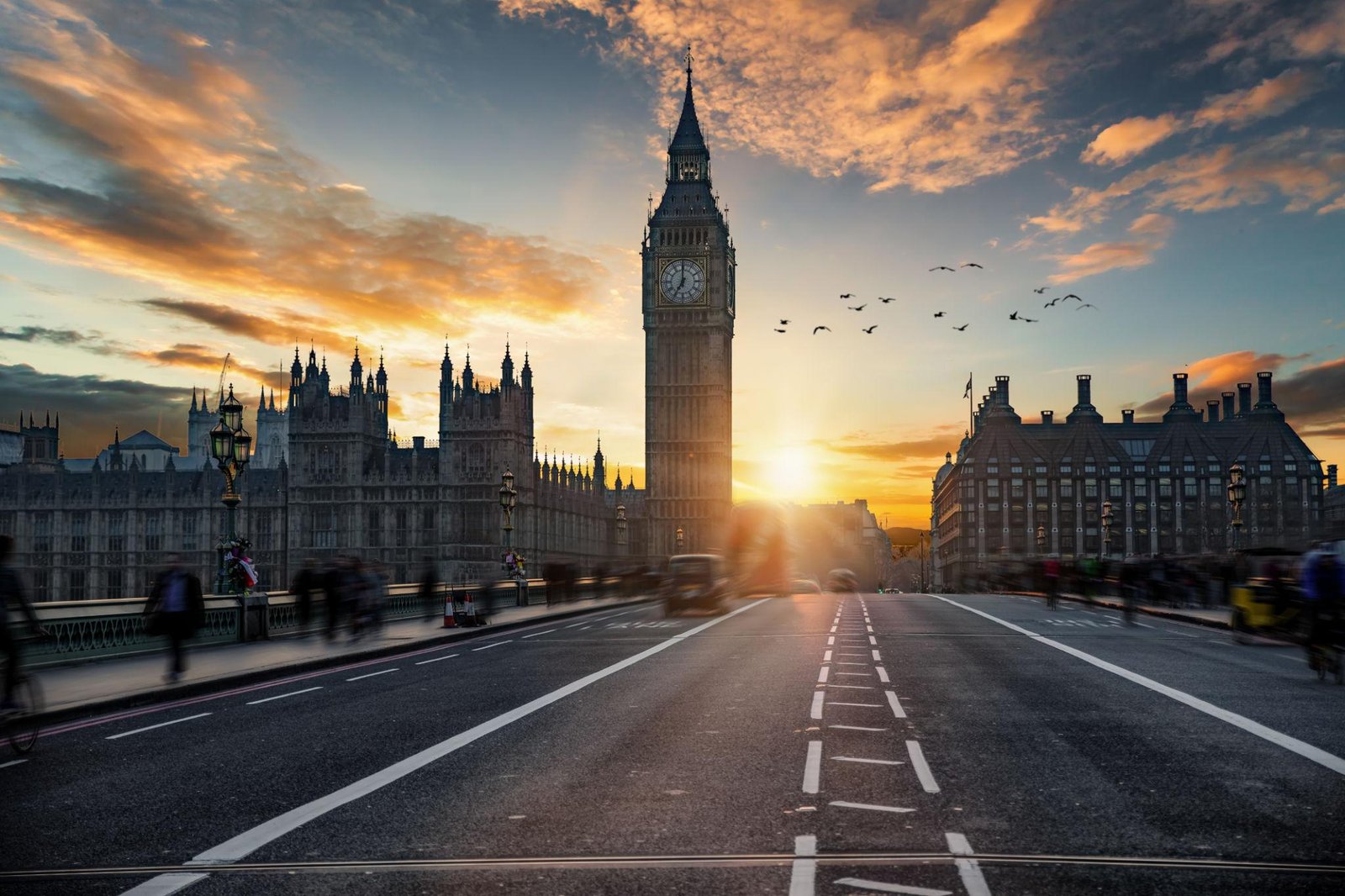
Getting Around London
London has one of the world's most comprehensive public transport systems. The Underground remains one of the most useful ways to travel between major attractions, while many central districts are easily explored on foot.
Underground
Best for fast travel between major attractions and neighbourhoods.
Elizabeth Line
Particularly useful for Heathrow and east-west journeys through central London.
Double-Decker Buses
Useful when you want a slower sightseeing journey while moving around the city.
River Bus
Useful for Thames journeys and a different perspective on central London.
Walking
Excellent for central London, particularly between Covent Garden, Soho, Westminster and nearby attractions.
Read the London Underground Guide →
London Airports
Heathrow
Best for: International flights.
City access: Elizabeth Line and Underground connections.
Gatwick
Best for: European and international flights.
City access: National Rail connections including Gatwick Express.
Stansted
Best for: Low-cost airlines.
City access: Stansted Express and rail connections.
Luton
Best for: Budget airlines.
City access: Rail connections.
London City
Best for: Business travel.
City access: Docklands Light Railway.
Best Time to Visit London
London is a year-round destination, but spring and early autumn generally offer an excellent balance of comfortable sightseeing conditions and manageable visitor demand.
Spring
Weather: Mild and changeable.
Excellent for parks, gardens, walking and sightseeing before peak summer demand.
Summer
Weather: Generally warmer with long daylight hours.
Excellent for outdoor events and extended sightseeing, but hotel and attraction demand can be higher.
Autumn
Weather: Cooler and changeable.
Strong sightseeing conditions, colourful parks and generally less intense demand than summer.
Winter
Weather: Cold and often wet.
Ideal for Christmas lights, festive shopping, theatre, museums and seasonal experiences.
See the Complete London Seasonal Guide →
How Many Days Do You Need in London?
Monthly Guide to Visiting London
Typical Daily Budget
Budget
£90–160
A practical target for budget accommodation, inexpensive meals and public transport, excluding premium attractions.
Mid-range
£180–300
A more comfortable target for centrally located accommodation, dining and paid attractions.
Luxury
£400+
Suitable for premium hotels, fine dining, higher-end experiences and more flexible spending.
Smart London Hotel Booking Strategy
London rewards visitors who prioritise location over nightly hotel price. A centrally located hotel near an Underground station can save hours of travelling across the city while making it much easier to return for breaks between sightseeing.
- Stay in Zone 1 whenever your budget reasonably allows for a short sightseeing trip.
- Book accommodation several months before popular travel dates.
- Reserve major attractions where timed entry or limited availability applies.
- Purchase West End theatre tickets before arrival when a specific production matters.
- Use contactless payment or an Oyster Card where appropriate for public transport.
- Walk between nearby attractions instead of repeatedly using the Underground.
- Visit major attractions early when practical.
- Compare hotel prices before booking.
- Check the exact room configuration rather than relying only on the property name.
- Review cancellation conditions before selecting a cheaper non-refundable rate.
Common First-Time Visitor Mistakes
1. Booking the cheapest hotel without checking its location. A lower room rate can become poor value when you spend significant time travelling to the places you want to visit.
2. Assuming every central hotel is equally convenient. Two properties can both look central while offering very different walking and transport access.
3. Ignoring the exact room type. The cheapest rate may correspond to a smaller room, different bed configuration or less flexible booking.
4. Booking solely from the headline price. Check cancellation conditions, included services and the final payable amount before committing.
5. Underestimating nightlife noise. Soho and other lively areas can be excellent for entertainment but may not suit travellers seeking quiet evenings.
6. Booking too far from the attractions that matter most. A well-connected hotel can still require multiple journeys every day if it is poorly positioned for your itinerary.
7. Treating a short trip like a long stay. For two or three days, paying somewhat more for a highly central location can make sense because sightseeing time is limited.
8. Ignoring cancellation flexibility. A flexible booking can be worth more than a small saving when plans may change.
9. Assuming every hotel room works for families. Check maximum occupancy, bed configuration and room dimensions before booking.
10. Waiting until the last minute for peak dates. Popular periods can reduce hotel choice and increase prices, especially in the most convenient central locations.
11. Trying to cover the entire city in one day. London is geographically large, so grouping attractions by area produces a more enjoyable itinerary.
12. Taking taxis for journeys that are easier by Tube or on foot. Central London is well suited to combining walking with public transport.
Family Travel Tips
- Consider Kensington or South Bank for a calmer family base.
- Build time around the Natural History Museum and Science Museum.
- Allow time for Hyde Park and Kensington Gardens.
- Check family room occupancy before booking.
- Allow extra time for transport with children.
Solo Traveller Tips
- Stay close to a major Underground station.
- Consider organised walking tours for an easy introduction to the city.
- Use contactless transport payments.
- Take advantage of London's free museums.
- Choose Covent Garden or Soho if evening walkability is important.
Money-Saving Tips
- Compare hotels several months before travel.
- Use London's excellent free museums.
- Walk between nearby attractions.
- Use contactless payment for public transport.
- Look for good-value lunch options and food markets.
- Consider spring or autumn when your schedule is flexible.
- Compare the total booking cost rather than just the nightly rate.
Frequently Asked Questions
Is London expensive?
London can be expensive, but booking accommodation early, using public transport and taking advantage of the city's excellent free museums can help keep costs under control.
Which airport is best?
Heathrow is particularly convenient for many international visitors because of its strong public transport connections into central London.
How many days should I spend in London?
Four to five days is a strong target for first-time visitors, allowing time for major landmarks, museums, parks, neighbourhoods and theatre without excessive rushing.
Is the Underground safe?
London's Underground is generally safe and remains one of the most practical ways to travel around the city. As with any major city, remain aware of your belongings in crowded areas.
Do I need cash?
Most visitors can rely on contactless cards and mobile payments for everyday spending and public transport, although carrying a small backup payment option is sensible.
Is the London Pass worth buying?
It can offer value if you intend to visit several included paid attractions over a short period. Compare the included attractions against your actual itinerary before purchasing.
Can I walk between attractions?
Yes. Many central highlights, including Westminster, Covent Garden, Soho, Trafalgar Square and South Bank, can be combined into walkable sightseeing routes.
Which area is best for nightlife?
Soho is the strongest all-round choice for nightlife, while Covent Garden, Camden, Shoreditch, Mayfair and South Bank offer different evening experiences.
Which area is best for families?
Kensington is particularly strong for families because of its museums, parks, transport connections and comparatively quieter atmosphere.
What should I book before travelling?
Reserve your hotel, major attractions, airport transfers and West End theatre tickets as early as practical, particularly during spring, summer and Christmas periods.
Is London walkable?
Central London is highly walkable when attractions are grouped by neighbourhood. The most efficient approach for many visitors is to combine walking with occasional Underground journeys.
WiseChoice Recommendation
Best overall London strategy: choose your neighbourhood before choosing your hotel.
For most first-time visitors, start your hotel search in Covent Garden. It provides one of the strongest combinations of walkability, restaurants, theatres, attractions and public transport.
If your priorities differ, choose Soho for nightlife and dining, Kensington for families and museums, Mayfair for luxury, Paddington for value and airport convenience, or South Bank for riverside atmosphere.
The final hotel decision should then be based on exact location, room suitability, cancellation conditions and total booking value rather than headline price alone.
Compare London Hotels & Find the Right Area →
Why Trust WiseChoiceCompare?
WiseChoiceCompare focuses on the practical decision behind a London trip: choosing the right neighbourhood, understanding transport, selecting accommodation that fits the trip and avoiding unnecessary travel time and expense.
Recommendations prioritise location, transport convenience, hotel choice, restaurants, attractions, walkability, seasonal demand and overall value for money rather than simply favouring the most expensive option.
The goal is to help travellers build a practical London itinerary and make a more informed accommodation decision before booking.
Continue Planning Your London Trip
Plan Your Perfect London Trip
Choose the Right London Hotel Before You Book
Choose the neighbourhood that matches your itinerary, compare hotels for your dates, check the exact room and cancellation terms, then compare the final booking value before completing your reservation.
Travel Essentials
Hotels in London
Compare London hotels by area, price, availability, room type and booking conditions.
UK eSIM
Stay connected for maps, transport and bookings throughout your London trip.
London Attractions & Tours
Reserve popular experiences and attraction tickets before travelling.
Airport Transfers
Arrange an airport transfer in advance when you want a simpler arrival with luggage.
Car Rental
Usually unnecessary for central London, but potentially useful when continuing beyond the city.
Travel Insurance
Compare coverage for eligible medical, cancellation and travel-related risks.
Flight Cancellation & Delay Compensation
If your flight has been delayed, cancelled or overbooked, you may be eligible to claim compensation under applicable passenger-rights rules.
Check Compensation Eligibility →
Ready to Choose Your London Hotel?
Some links on WiseChoiceCompare are affiliate links. If you book accommodation or purchase travel services through these links, we may earn a commission at no additional cost to you. Our recommendations are based on location, transport convenience, traveller needs, walkability, value for money and overall visitor experience. Editorial rankings are not determined solely by affiliate partnerships. Hotel prices, transport schedules, attraction opening hours and admission fees may change, so always confirm the latest information before travelling.